


 01422 396 769
  quote
quotePOLL NOW CLOSED – Thanks to everyone who voted
Are lithium leisure batteries the future for caravans and motorhomes?
Lithium batteries are fast becoming the power source of choice for some motorhomers, campervanners and caravanners who want reliable, long-lasting energy on the road.
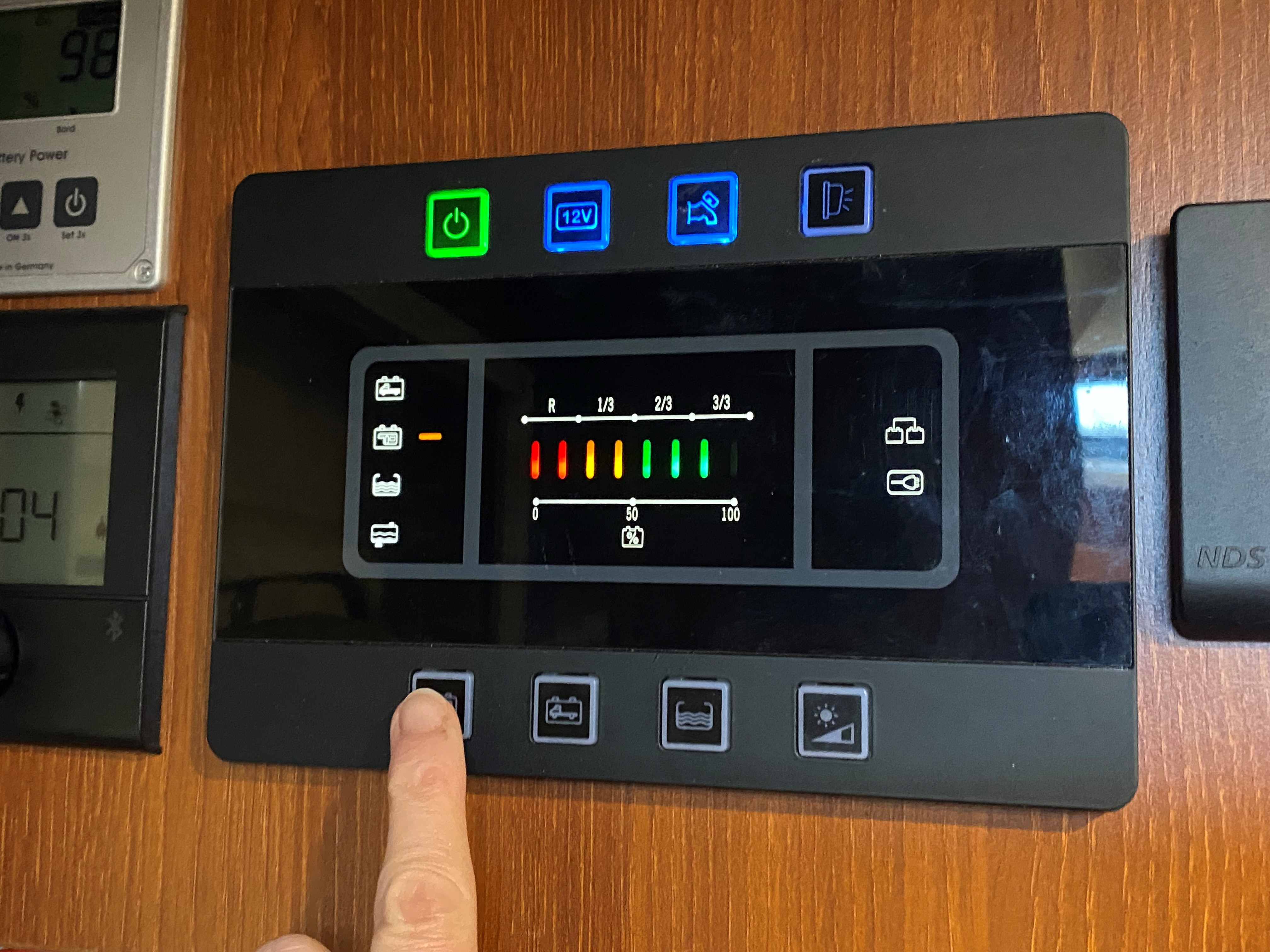
They’re already common in our everyday lives, powering phones, laptops and electric vehicles, and now lithium leisure batteries are popular with those who spend lots of time touring or go camping off-grid.
But what about you? Do you use a lithium leisure battery in your motorhome, campervan or caravan? Or are you still using a traditional lead-acid leisure battery setup?
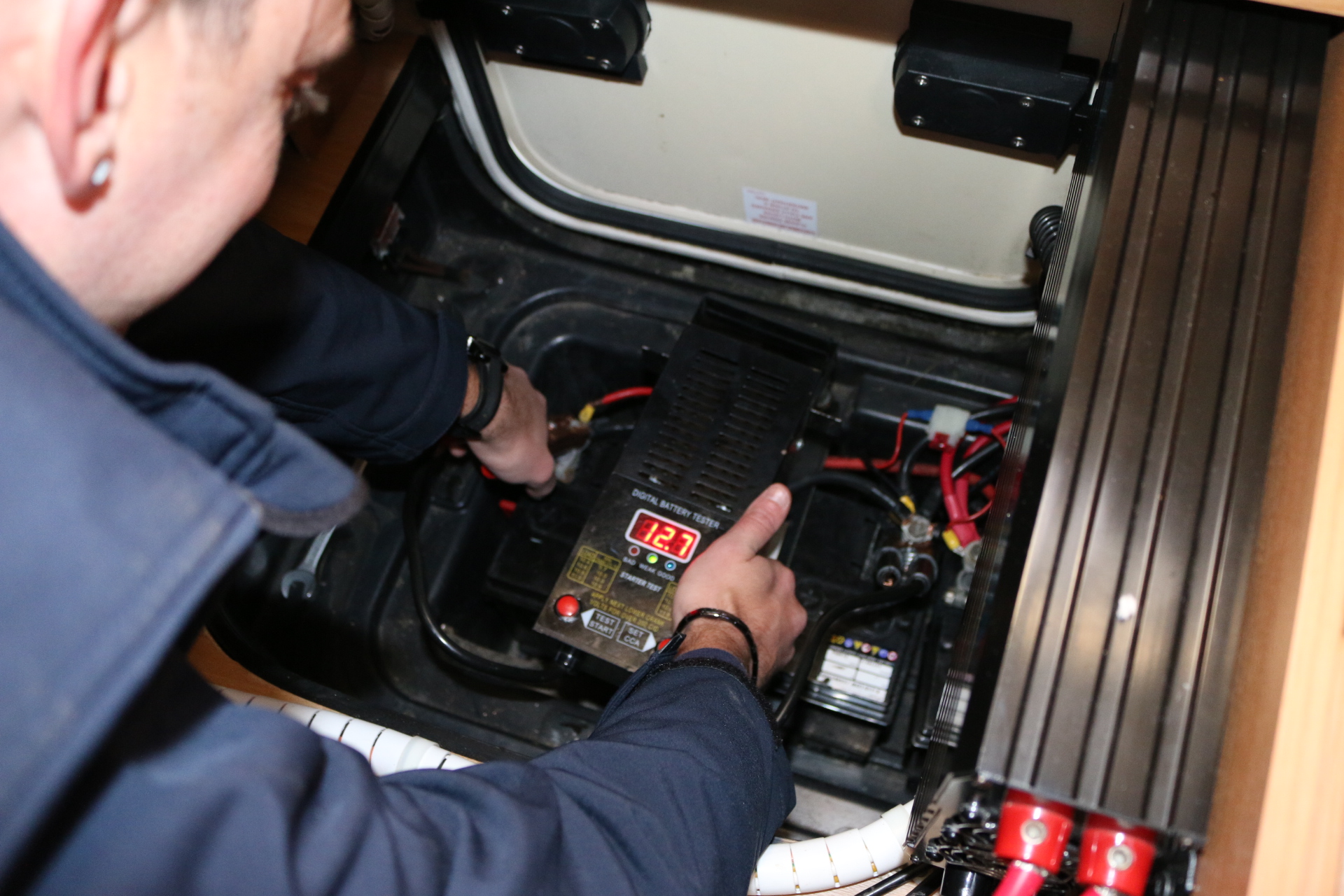
We’d love to know what you think about lithium leisure batteries. Vote in our new poll:
If you’re considering a motorhome or caravan battery upgrade, here are some of the key reasons owners are making the switch to lithium:
- Lightweight – Ideal for keeping your payload low
- Fast charging – Get back to full power more quickly
- Low discharge rate – They can hold their charge for longer periods of time without being used. Great when a caravan or motorhome is in storage.
- Longer lifespan – Many lithium batteries can last several times longer than lead-acid types, saving money in the long run.
Are there any downsides?
Switching to lithium batteries isn’t always straightforward. They do come with a higher upfront cost, and depending on your caravan or motorhome, you might need a charger or system upgrades to get the most out of them. They’re also sensitive to extreme temperatures, and in very low, sub-zero temperatures, they can sometimes lose their charge capacity or stop working.
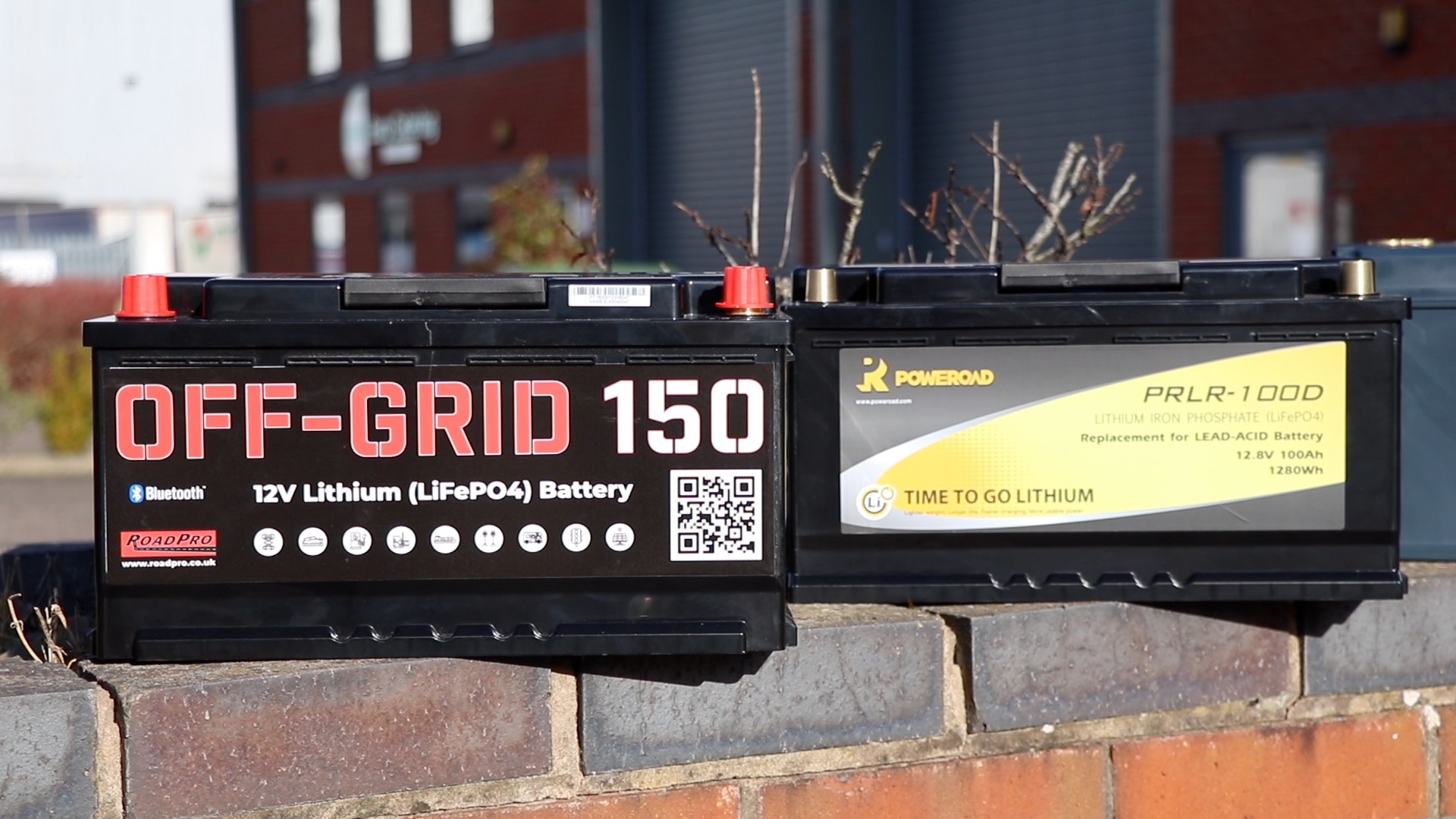
What do you think?
Are lithium leisure batteries the future for caravans and motorhomes, or are they just an expensive trend? Would you consider a leisure battery upgrade, or are you happy sticking with your tried-and-tested lead-acid or AGM setup?
We’d love to hear your thoughts on lithium leisure batteries! Share your comments below, especially if you’ve already switched to lithium or are thinking about it.


I installed a Lithium battery in our Bailey Madrid and was pleased that the water pump and motor mover were much more effective than before. However our Avtex TV then refused to work off the battery and only works off the mains now. I suppose that is because the new battery has a higher voltage incompatible with the TV
First of all, there is a safety difference between Lithium ion and LiFePo4, the latter being much safer albeit at the cost of a slightly lower power density (kw hr to kg ratio).
Secondly, the price of new LiFePo4 batteries is dropping to the point where they are on par with lead-acid.
I have recently replaced my leisure batteries and was about to buy lithium replacements, luckily I did a bit of research and my solar panels and converter are not compatible so it’s not a straight forward swap
Thanks for commenting Tony. It is wise to do your research before making the switch.
all I care about is, “is there enough charge for the motor mover” no TV no Hair dryers
As a specialist professional engineer in the field of lithium-ion batteries (albeit in the maritime not caravanning sector), I can (and frequently do) advise on safe use of Lithium-Ion batteries. The crucial thing is to remember that the technology of Li-Ion batteries is fundamentally different from traditional lead-acid batteries. Whereas lead acid batteries will self-balance across the cells that make up the battery, all current Li-Ion technologies (including Lithium Iron Phosphate (or Li-Po) tend to reduce internal resistance in the cell, when charging. A cell within the battery will then tend to ‘charge grab’ and a vicious circle of increased charging, reducing internal resistance and raising temperature can occur. In extremis, this will lead to the heat build up exceeding the battery’s ability to cool, so massive (and very quick) temperature increase can lead to fire and explosion (of which we have seen plenty of frightening video evidence). It is for this reason that the battery MUST have a battery management system (BMS) that monitors internal temperature and Voltage, and controls charging at the INDIVIDUAL CELL LEVEL. Some leisure batteries have such an BMS fitted internally, which is fine. If an external BMS or a Power Management System are used, then the BMS/PMS MUST be from the same manufacturer as the battery and installed in accordance with the manufacturer’s instructions. The battery should be provided with certification to the appropriate ISO or IEC Standard for its use. Never fit any kind of Li-Ion battery that is not certified for the type of use that you intend, or is not intended for mobile / automotive purpose. The penalty for getting this wrong can be your and your family’s life, as the explosions are extremely powerful and deadly, and could affect people and property some distance away from your caravan / camper van.
I will switch to lithium when my AGM needs replacing. There are a few 019 case size batteries coming on line which fits in my existing battery compartment which hangs under the floor in my caravan, making it a straight swap and with 150Ah 3x the usable capacity. Have already upgraded my solar controller which has Bluetooth and handles lithium better.
We fulltime in our van and have been using KS Energy batteries for the last 3 years… alongside a compressor fridge thats run 24/7 in that same time its totally transformed our living.. with plenty of solar on the roof we can go from March to October without using EHU at all. The batteries have performed flawlessly and I can monitor them via Bluetooth on my phone.. and in total they saved approx 35kg in weight over my last AGM’s.
I sometimes travel away for 6 months or so without my Van Conversion – it sits outside and the 100W solar panel keeps the Lead Acid House battery nicely charged – it always starts right away when I get back.
I have concerns about how Lithium of LiPo4 batteries would behave under these circumstances. If they do get totally discharged are they a rewrite off?
Changed to Lipo4 100AH this year, and replaced caravan charger to victron lithium charger. Performance has been excellent off grid, and solar panel charges battery so much quicker. Have used battery down to 20% discharge and still giving me 1213 volts. A little worried about Lipod4 being charged from car when towing, so simply fitted quick connectors on battery and remove +ve connector when towing.
It’s the future for off grid, if always on ELHU don’t bother.
Also so much lighter when removing for winter etc, less back ache !!
I bought a 100 amp version from eBay, total cost £180 and as I am not off grid very often was small risk, after 9 months it is showing 3 cycles after 40 nights away and can access BMS via Bluetooth , I have a motor mover and no issues so far, was prepared to take the risk for a 10kg weight saving, I have not changed standard Bailey charger nor solar charger, so a very positive experience for me, but have kept the old AGM just in case.
Installed a 155Ah KS Energy Compact LifePo4, 4 yrs ago, we are off grid all the time, 350kw of solar on top. Given LA batts only have around 1/2 the rated power available at a useable voltage, our 90 AH LA batt (45 AH useable) we gained 3 times the capacity, in the same foot print, with a weight saving of 5 kg’s. This batt will out last my time on this planet, and I have a few decades left yet!
I am an installer of these lithium systems in caravans and motorhomes in Bedfordshire. Their popularity has rised massively in the last couple of years. I also use them in my own motorhome.
I highly rate them but do see they are costly. They are best used for anyone wanting to be off-grid and are excellent when using an inverter.
We’ve been using a self built 230Ah LiFePO4 battery for around 3 years now. With 400W of solar, a combined DC-DC/MPPT charger and a 2kw pure sine wave inverter we can stay off grid pretty much indefinitely even using a 12V compressor fridge. The secret with any set up is about designing something to suit your specific needs, most manufacturers systems are a real compromise (& very expensive for what you get, just like WiFi set ups). Our set up cost us less than £700 & we did it because we needed to replace our old lead acid batteries. To give us the same real world capacity as lithium we would have needed x4 110Ah battery’s at a cost of around £450 and a massive weight disadvantage. LiFePO4 battery’s are generally very safe, actually safer than most lead acid batteries, but do your homework and research.
We have used LiFePO4 batteries in our motorhome for some years now and find them very helpful as we often tour off-grid and these give us the power we need. However, the cost of installation (along with the cost of the different chargers etc that may be required) can be high. For anyone who spends all their time on sites with electric hook-up it would be a waste of money and can stick with a lead-acid battery.
My LiPo4 lithium battery is fantastic, It has a built in heater in case of needing to charge it in sub zero temperatures – unlikely for us – and bluetooth so that it can be monitored using my phone. I can monitor state of charge accurately, voltage and current in and out. Mine has a capacity of 180 Ah which is 90 to 95 per cent usable and fits inside a standard low profile case for a 100 Ah lead acid battery. Lithium phosphate batteries do not present a fire risk and its internal management system (BMS) renders it short circuit proof. I use it to power a 1500 watt inverter which runs my toaster, kettle and microwave when off grid (which is most of the time) plus the ususal 12 volt items in a caravan. My 2 x 100 watt solar panels keep it charged just fine during the summer months. It’s light weight and easy to carry. A similar capacity lead acid battery would need a crane! Money very well spent!
I have 3 12v 100ah LFP batteries fed by 500w of solar panels.
LiPo4 batteries do not have the same fire risk as straight lithiums. They also have almost double the usable capacity of a Lead Acid at half the weight. It’s a no-brainer.
On this occasion I do not think the grass is greener on the other side of the fence.
I have also been advised that lithium batteries induce a premium on the van insurance!
Thanks Thomas. The type of battery is not something we take into account when insuring a caravan, camnpervan or motorhome