


 01422 396 769
  quote
quoteMotorhome insurance can feel like a minefield. With lots of providers offering cover that looks similar on the surface, it’s not always easy to understand what’s included, what’s excluded, and what really matters when protecting your pride and joy.
In this video, we explain motorhome insurance step by step, from taking out a specialist policy to understanding the small print, making changes, and knowing what to do if you ever need to make a claim.
Below, we’ve expanded on the key points to answer some of the most common questions about motorhome insurance and help you choose the best motorhome insurance for your needs.
Why do you need specialist motorhome insurance?
Just like any other motor vehicle, it’s a legal requirement to have insurance to drive your motorhome on the road.
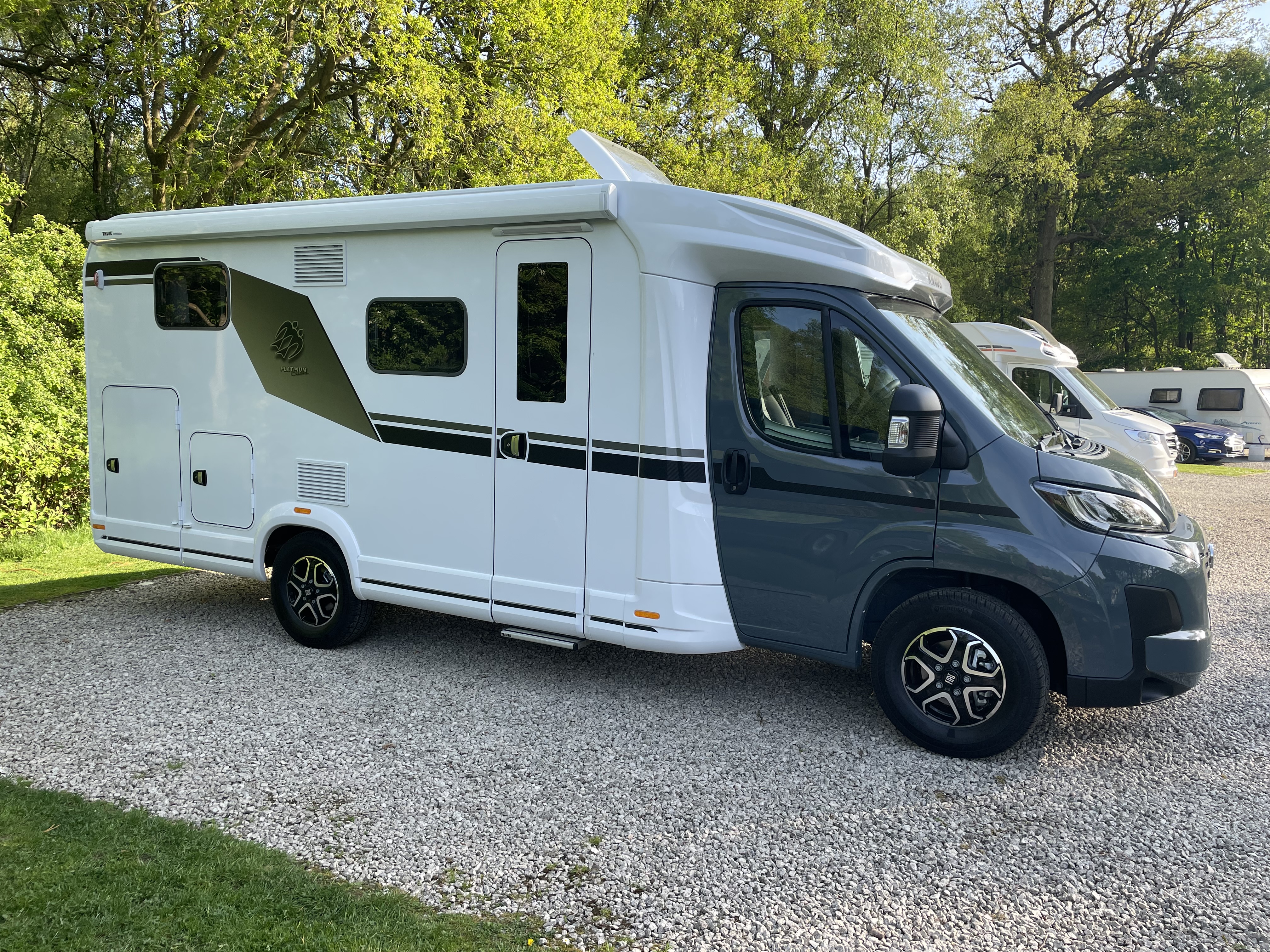
But a motorhome isn’t just a vehicle to get you from A to B, it’s also your accommodation and holiday home for those trips away. That’s why specialist motorhome insurance is so important. Unlike standard car or van insurance, a dedicated motorhome policy is designed to cover:
- The living area, as well as the cab
- Motorhome equipment such as awnings, gas bottles, TVs and fitted accessories
Choosing a specialist insurer helps make sure you’re properly protected for how motorhomes are actually used.
Taking out a motorhome insurance policy
If you’re new to motorhoming – or reviewing your cover – these are some of the key things to consider when getting quotes.
Shop around and choose a specialist
Always compare quotes from specialist motorhome insurance providers, rather than relying on car or van insurers whose cover may not be suitable. It’s also worth checking independent customer review sites, such as Trustpilot, to see how insurers perform when it really matters, like at the claims stage.
Know your motorhome details
You’ll need accurate information about:
- The make and model of your motorhome
- The manufacturer or campervan converter, e.g. Swift, Auto Sleepers or Hillside (not just the base vehicle manfacturer such as Ford, Fiat or VW)
- The body type, such as coachbuilt, A class or pop-top campervan
- The current value of your motorhome

Getting the value right is crucial. Over-insure and you could pay more than you need to; under-insure, and you risk not being fully covered if you need to make a claim.
Be realistic about mileage
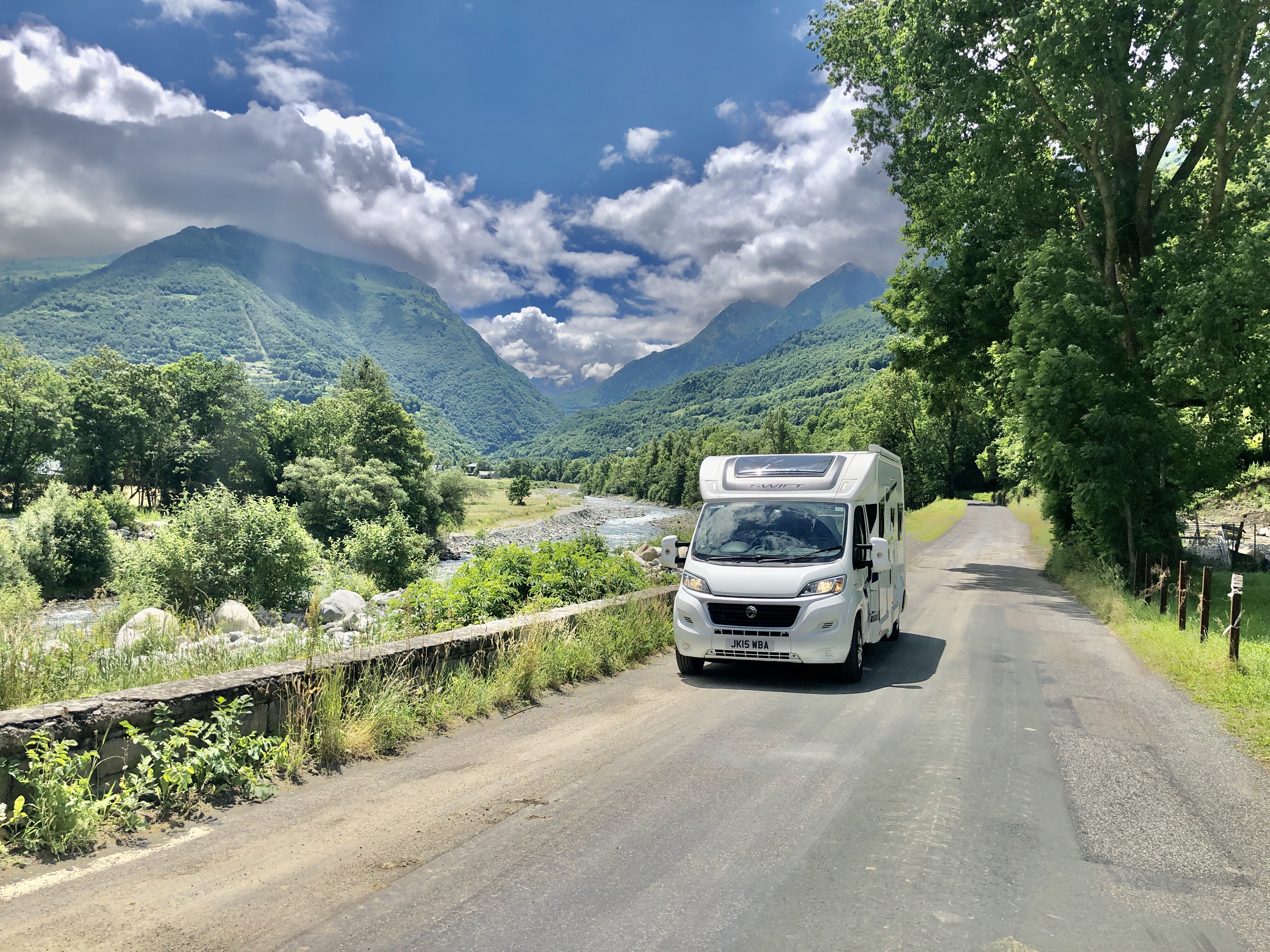
Your annual mileage affects your premium. If you’re new to motorhoming and unsure how far you’ll travel, it’s a good idea to keep a simple mileage log for the first couple of years. Don’t forget to factor in European travel if that’s part of your holiday plans.
Understand your motorhome security
Security devices can have a big impact on motorhome insurance premiums. Make sure you know exactly what’s fitted, including:
- Alarms and immobilisers
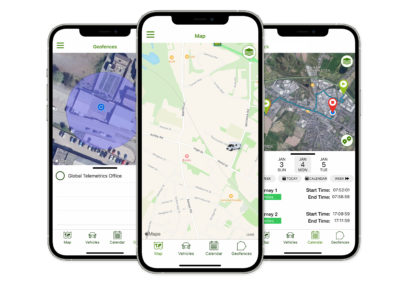
- Tracking devices
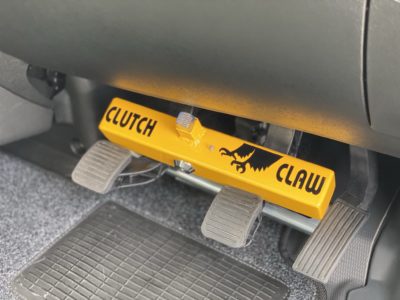
- Physical security, such as steering wheel locks
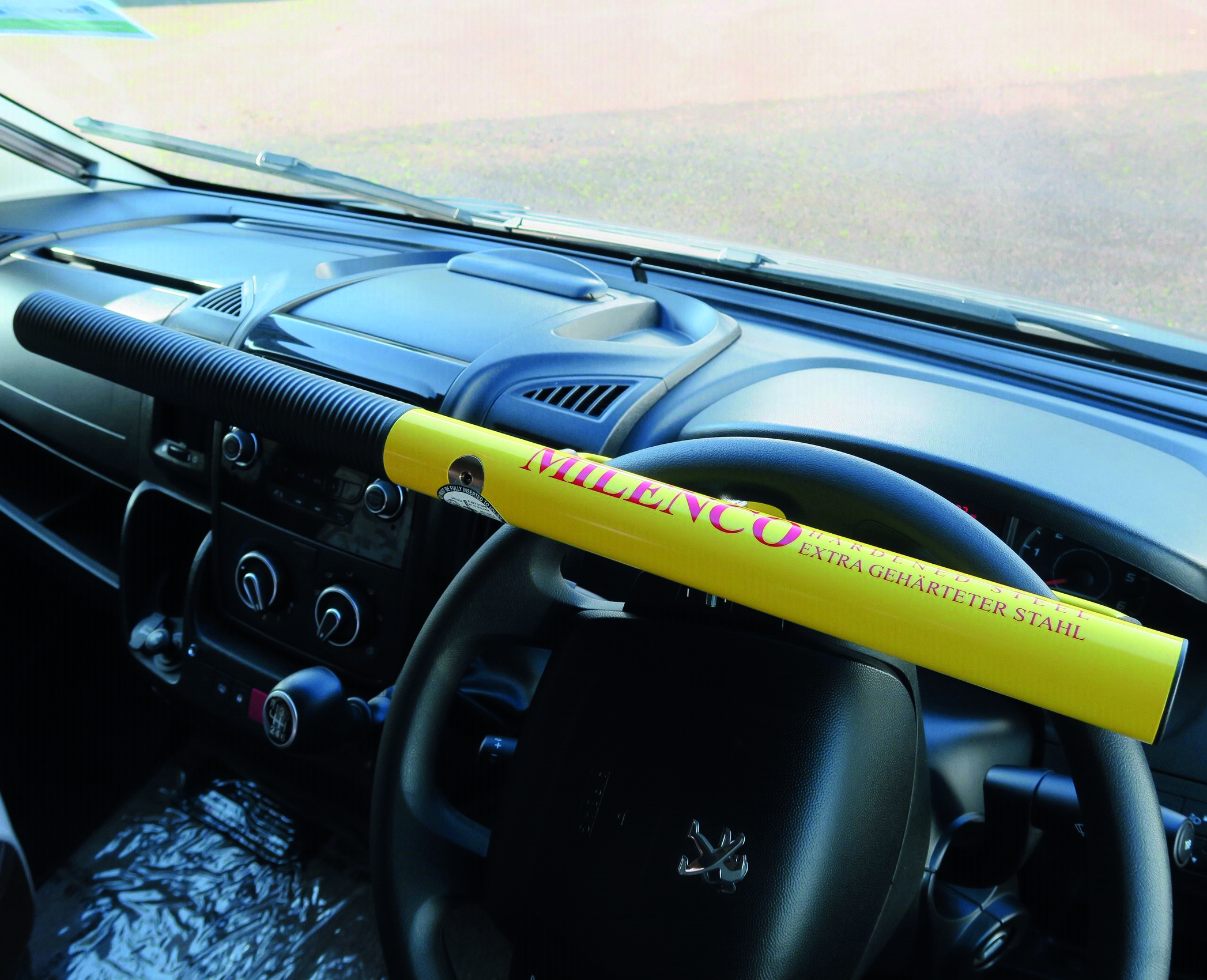
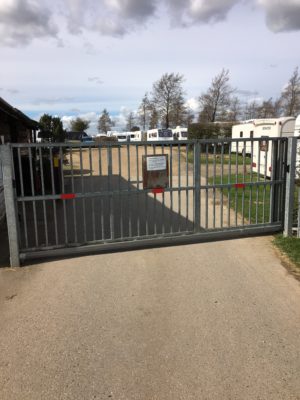
Even where physical security isn’t a requirement of insurance cover, it can add peace of mind, help to prevent theft and even attract a motorhome insurance discount.
Storage and driver details matter
Insurers will ask where your motorhome is stored and what security is in place there. You’ll also need accurate driving history details for all named drivers, including licence entitlements – especially for motorhomes over 3,500kg.
How can you reduce your motorhome insurance premium?
If you’re looking to keep costs down, there are a few things that may help:
- Review your excess
- Check your annual mileage
- Make sure your motorhome value is accurate
- Look for discounts related to security, safety and storage
The most important thing is answering questions honestly and making sure the cover is right for your needs. Accurate information helps avoid problems if you ever need to make a claim.
Top tip: Adding extra safety and security devices can help protect your motorhome and may lead to insurance discounts – just make sure you always use the devices you’ve declared when leaving your motorhome unattended.
Understanding motorhome insurance policy wordings
Insurance jargon can be confusing, so it’s worth paying close attention to what your policy actually covers.
Equipment and possessions cover
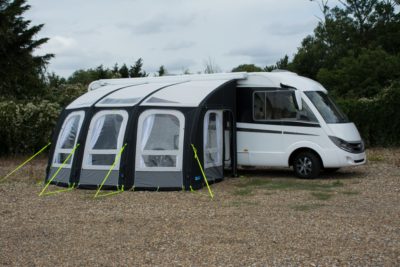
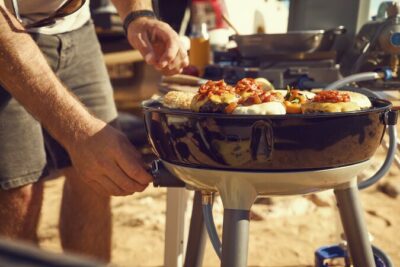
Check that your policy includes equipment cover. Specialist motorhome insurance often covers items such as awnings, gas bottles, outdoor furniture, BBQs and air conditioning units.
Personal possessions, such as clothing, are usually covered separately. Always check single item limits and what’s included as standard.
Social, commuting and business use
Most motorhome policies are designed for leisure use. Some may allow commuting if you use your motorhome to travel between home and one permanent place of work. If you travel to multiple work locations, this is classed as business use and should be discussed with your insurer.
Policy conditions and exclusions
Motorhome policies can include conditions such as:
- Draining down over winter
- Using declared security devices
- Keeping the motorhome at the listed storage location
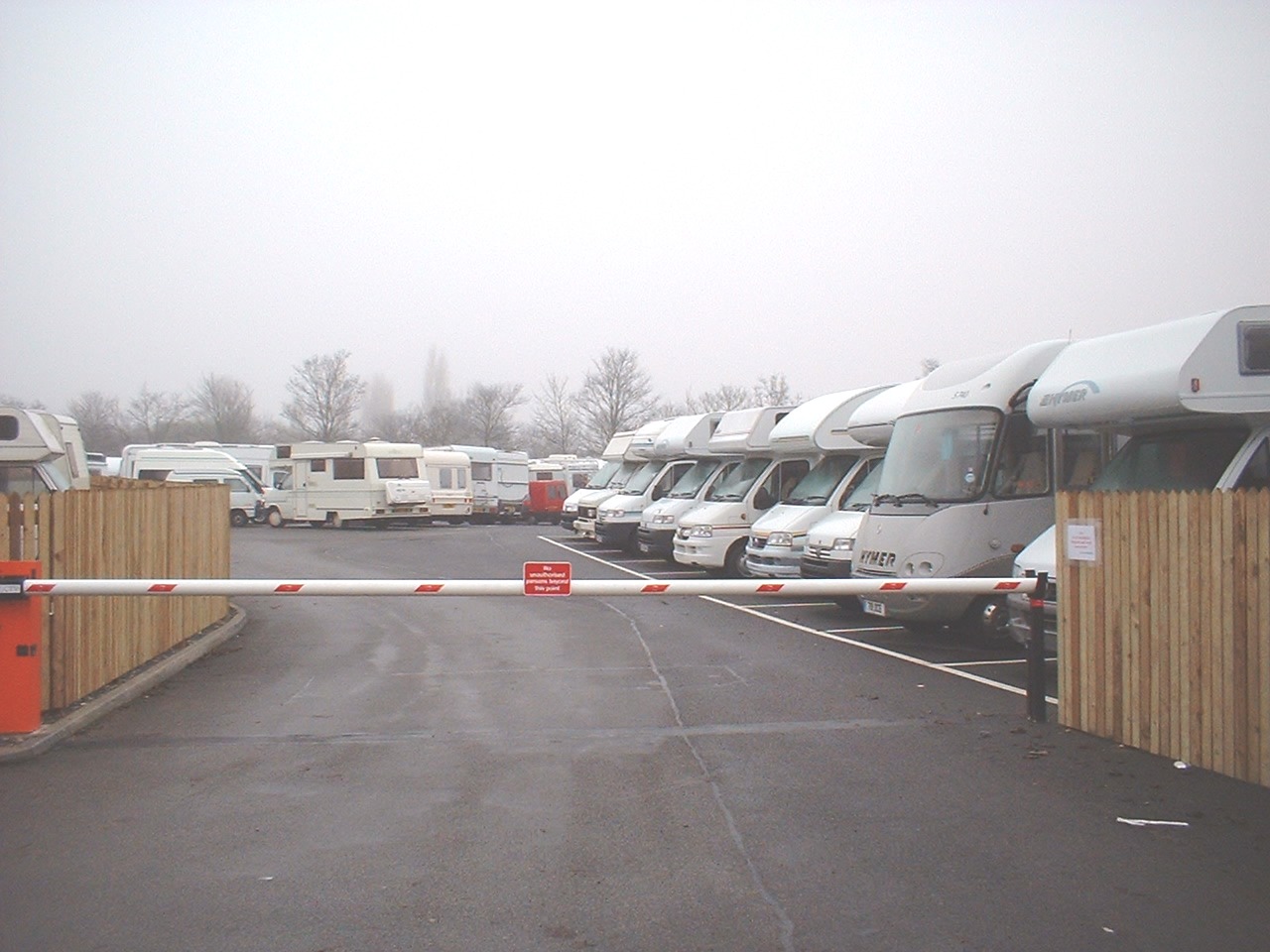
It’s also important to understand what’s not covered, such as certain types of damage, like vermin or pet damage, or wear and tear.
Top tip: If you’re unsure about anything in your policy wording, speak to your insurer for clarification.
When things change: keeping your motorhome insurance policy up to date
During the life of a motorhome insurance policy, circumstances often change. You should always tell your insurer if you:
- Move home or change storage location
- Have new equipment fitted, such as self-levelling systems or air conditioning
- Add a tracking device or other security
These changes can affect your sums insured and, in some cases, may even reduce your premium. At renewal, it’s a good time to review your mileage and motorhome value to keep everything accurate.
Common motorhome insurance claims – and how to avoid them
After windscreen claims, accidental damage is one of the most common motorhome insurance claims. This often includes reversing incidents at home, in car parks, storage areas or campsites; damage on narrow lanes and hitting low bridges.
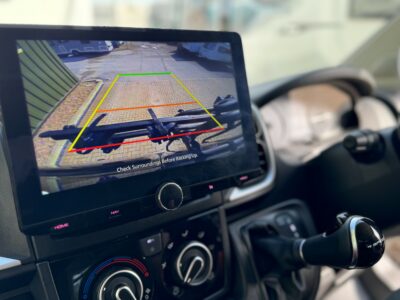
Motorhomes are much larger than cars, so being aware of your vehicle’s height, width, and rear overhang is essential. Reversing cameras, parking sensors, and motorhome-specific sat navs can all help reduce those driving and manoeuvring mishaps.
Top tip: If you spot a chip in your windscreen, get it checked as soon as possible to prevent further damage.
Making a motorhome insurance claim
If the worst does happen, knowing what to do when making a motorhome insurance claim can make the process smoother.
- Make sure everyone is safe and prevent further damage if possible
- Take photos of the damage
- Report the claim as soon as you can, with your policy number and incident details
You might be asked for repair estimates, photos, or details of your preferred repairer. In some cases, an engineer or loss adjuster might assess the damage before the claim is settled.
Top tip: Keep an inventory of your motorhome equipment, with photos and receipts stored at home, so you can provide accurate information if needed.
Motorhome insurance explained
We hope this guide and video have helped explain motorhome insurance, answered common questions, and highlighted what to look for when choosing the best motorhome insurance for you.
To find out more about Caravan Guard’s highly rated specialist motorhome and campervan insurance, click here: www.caravanguard.co.uk


How would you rate this article?
Comments