


 01422 396 769
 quote
Dreaming of swapping the UK countryside for the vineyards of France, the lakes of Germany or the beaches of Spain? Taking your caravan to Europe might seem daunting at first, especially if you’ve never driven on the right-hand side of the road or organised an overseas touring holiday before.
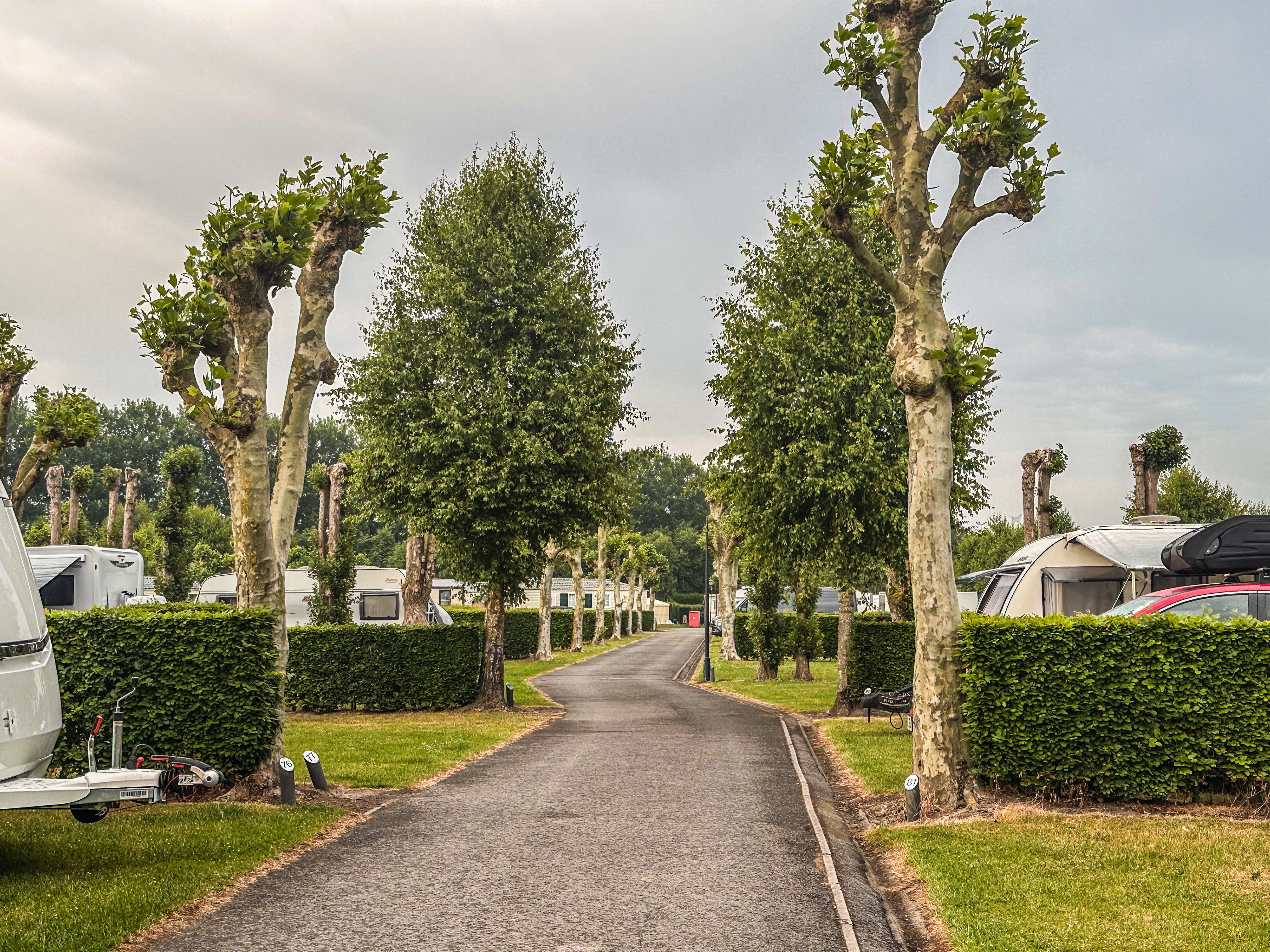
However, according to experienced caravanner Dan Trudgian, caravanning in Europe is far easier than many people imagine. With a little preparation and the right paperwork, you’ll soon discover why so many UK caravanners return to the continent year after year.
In this video, we’ll share Dan’s top tips for caravanning in Europe, including essential documents, insurance, equipment, driving advice and campsite tips to help make your first European caravanning adventure a success.
1. Get your paperwork organised before you travel
One of the most important parts of planning a European caravanning trip is making sure you have all the correct documentation before setting off.
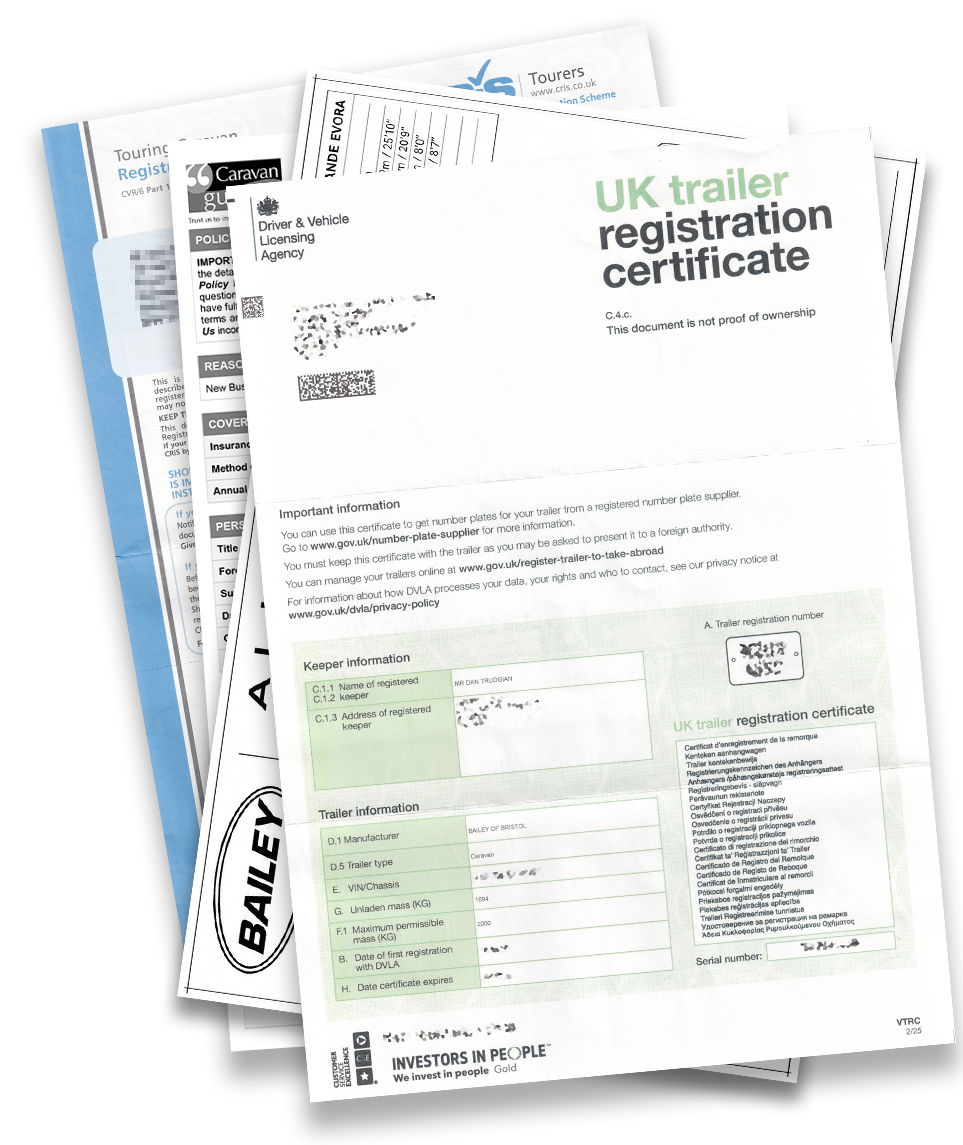
For your caravan, it’s a good idea to carry:
- Your CRiS registration certificate (or a copy)
- Your caravan insurance documents showing European cover
- Details of your caravan’s dimensions and weight
For your tow car, take:
- Your V5 logbook
- MOT certificate
- Car insurance documents
- Driving licence
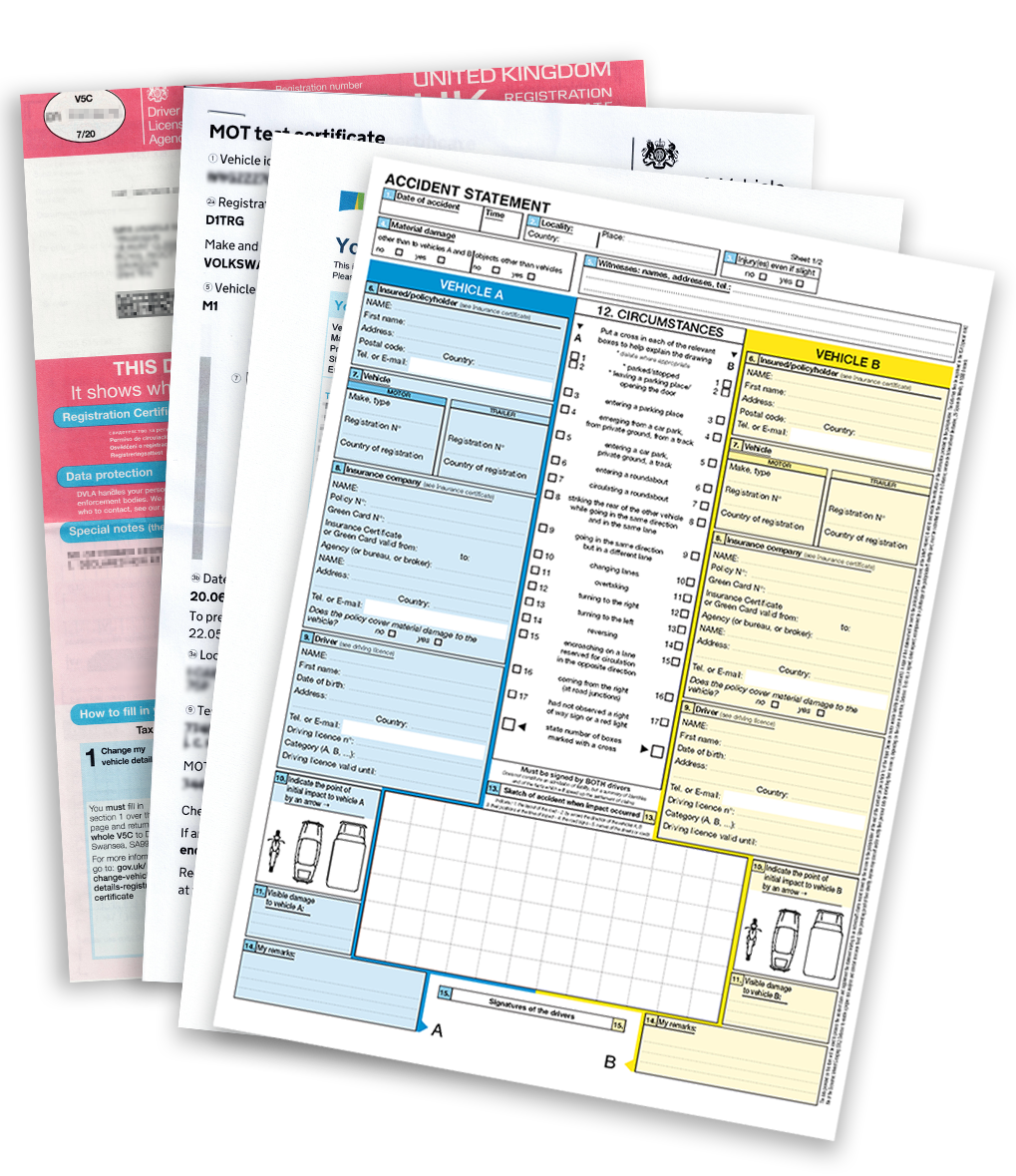
Dan also recommends carrying a European Accident Statement form. These multilingual forms can make life much easier if you’re involved in an incident while abroad. Ask your tow car insurer for one of these.
Don’t forget trailer registration
Many UK caravans travelling in Europe need to be registered under the UK trailer registration scheme and display a trailer registration plate while abroad.
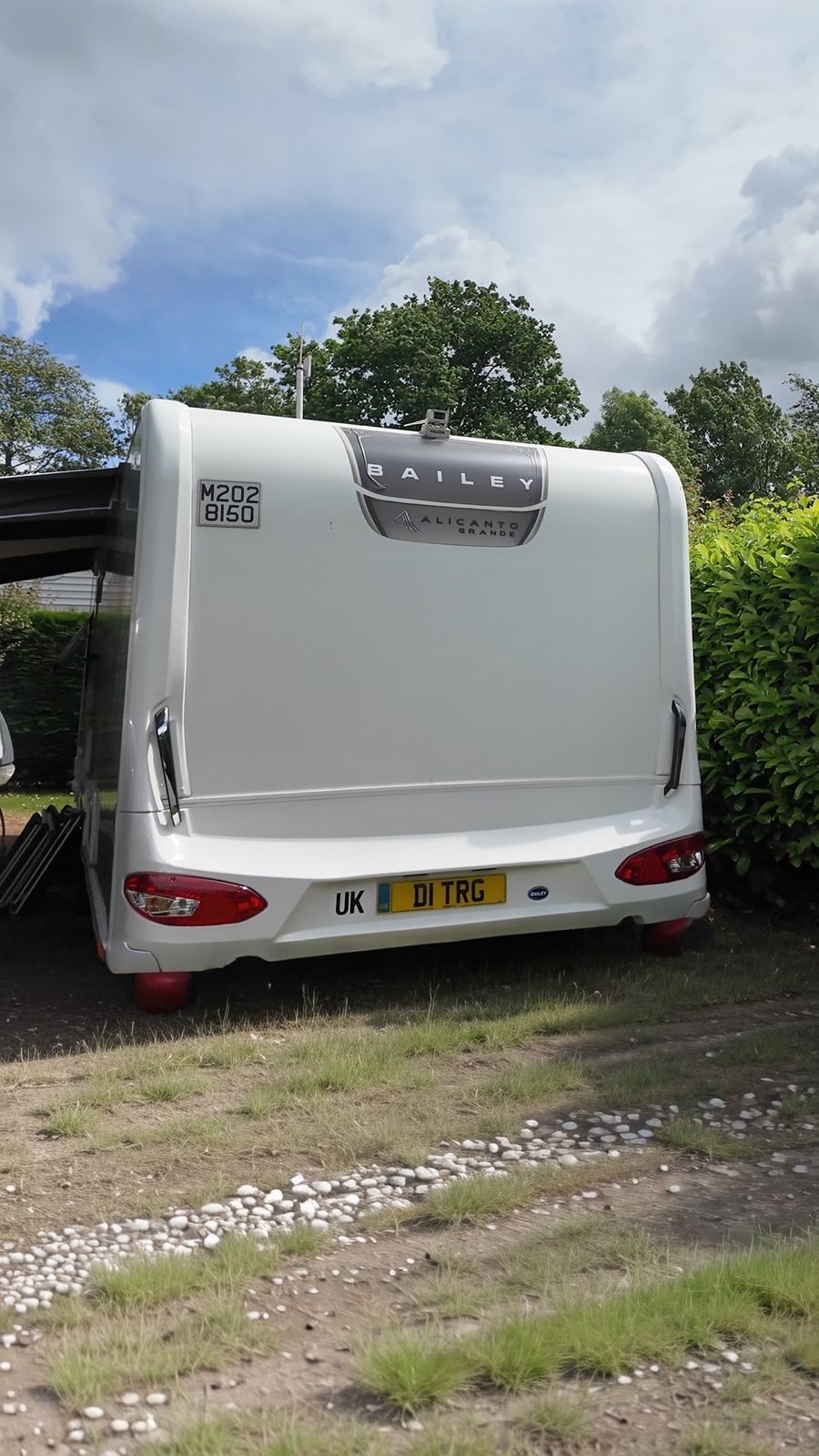
Rules can change, so always check the latest guidance on the GOV.UK website before travelling.
2. Make sure you have the right insurance cover
Before heading overseas, review all your insurance and breakdown policies carefully.
You’ll need to make sure you have:
- European motor insurance cover
- European breakdown cover for your towcar that includes your recovery of your caravan
- Caravan insurance with European cover
- Travel insurance
- A valid GHIC (Global Health Insurance Card)
Having the correct cover in place means you can enjoy your holiday knowing you’re protected if something unexpected happens.
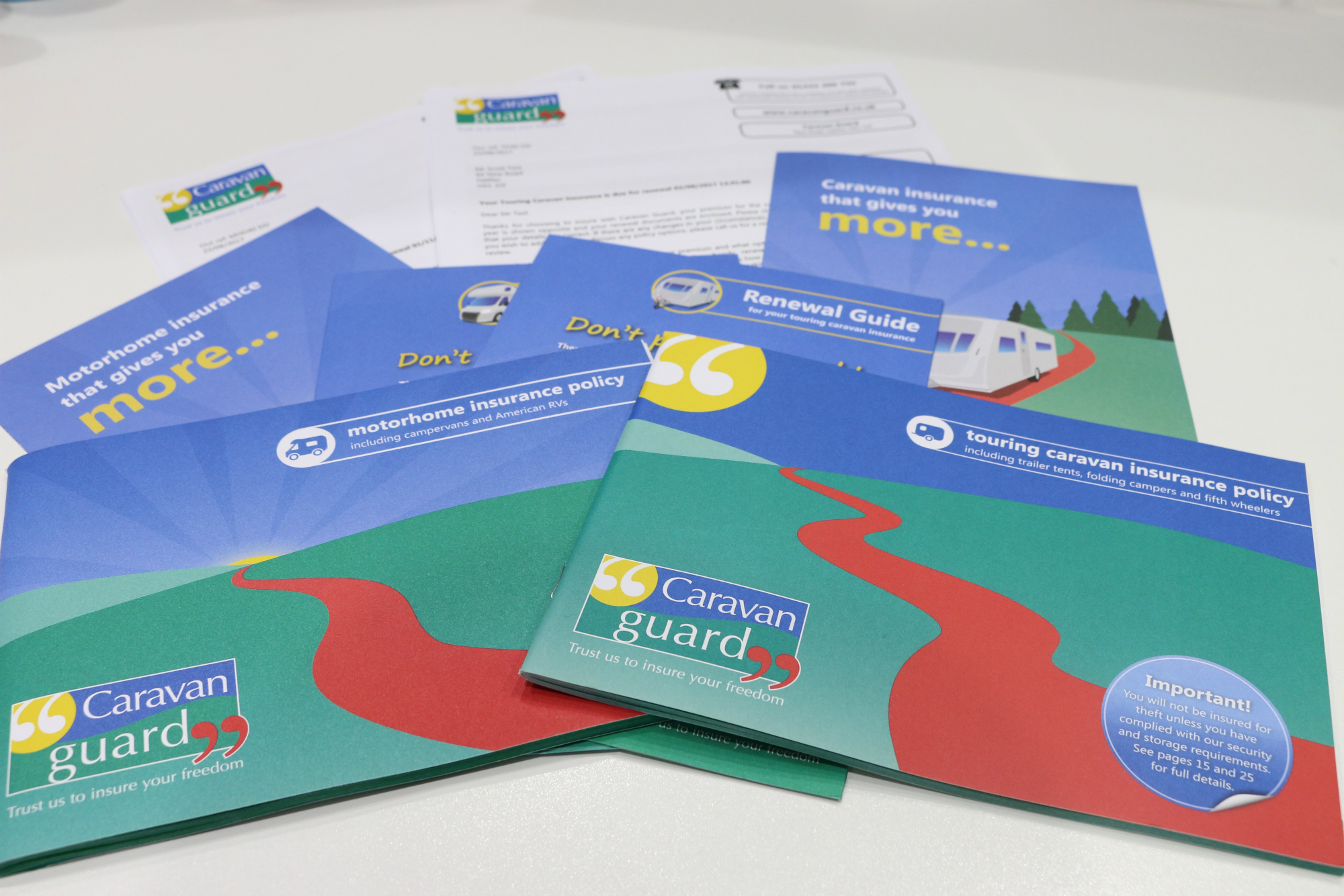
Caravan Guard European cover
With Caravan Guard’s caravan insurance you can select up to 180 days’ European cover in approved countries, helping you tour overseas with confidence. If you’re an existing policyholder of Caravan Guard your policy schedule will confirm whether this cover is selected or not.
3. Research campsites before you book
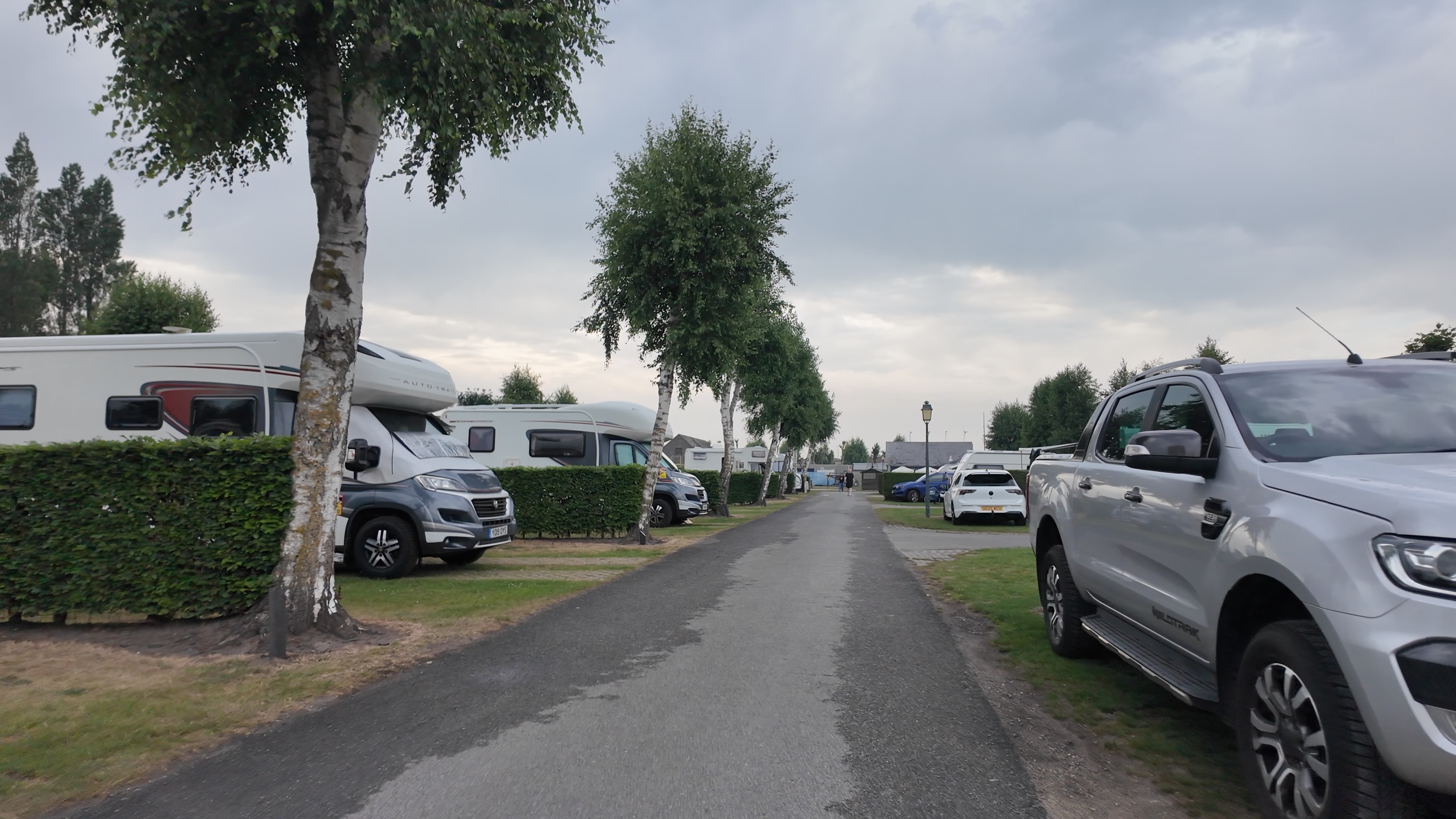
European campsites vary greatly in size, facilities and pitch layouts, so it’s worth doing some homework before making reservations.
This is particularly important if you own:
- A twin-axle caravan
- A large caravan outfit
- An awning that needs extra space
In parts of France, some campsites restrict twin-axle caravans, while others may have pitches that are unsuitable for larger outfits.
Print or save all booking confirmations, crossing details and campsite information and keep everything together in a travel folder.
4. Choose the best crossing for your route
There are two main ways to take your caravan to mainland Europe:
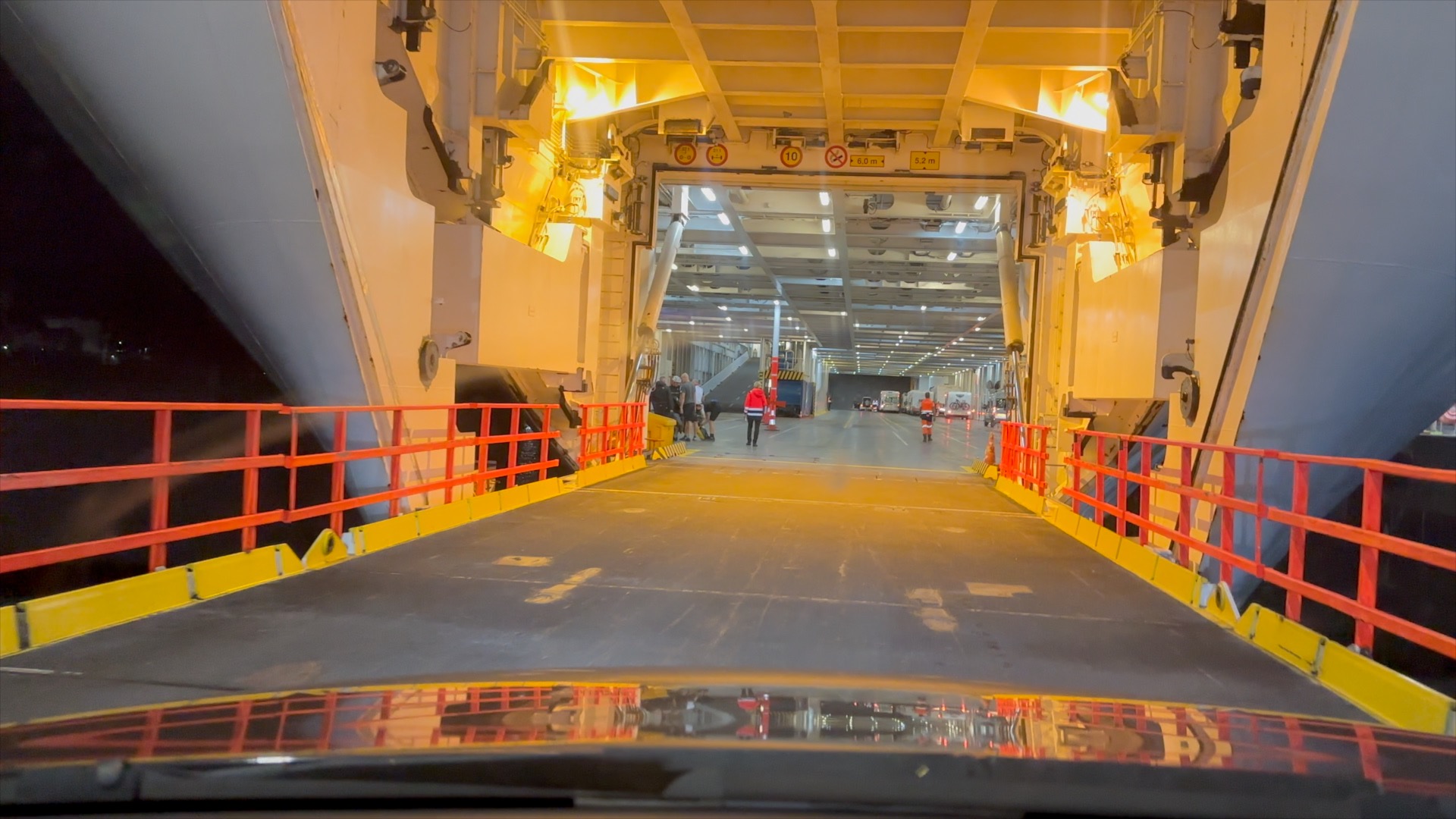
Ferry
Ferries are often a popular choice for those travelling to France, Spain or the Netherlands and can provide a more relaxed start to your holiday.
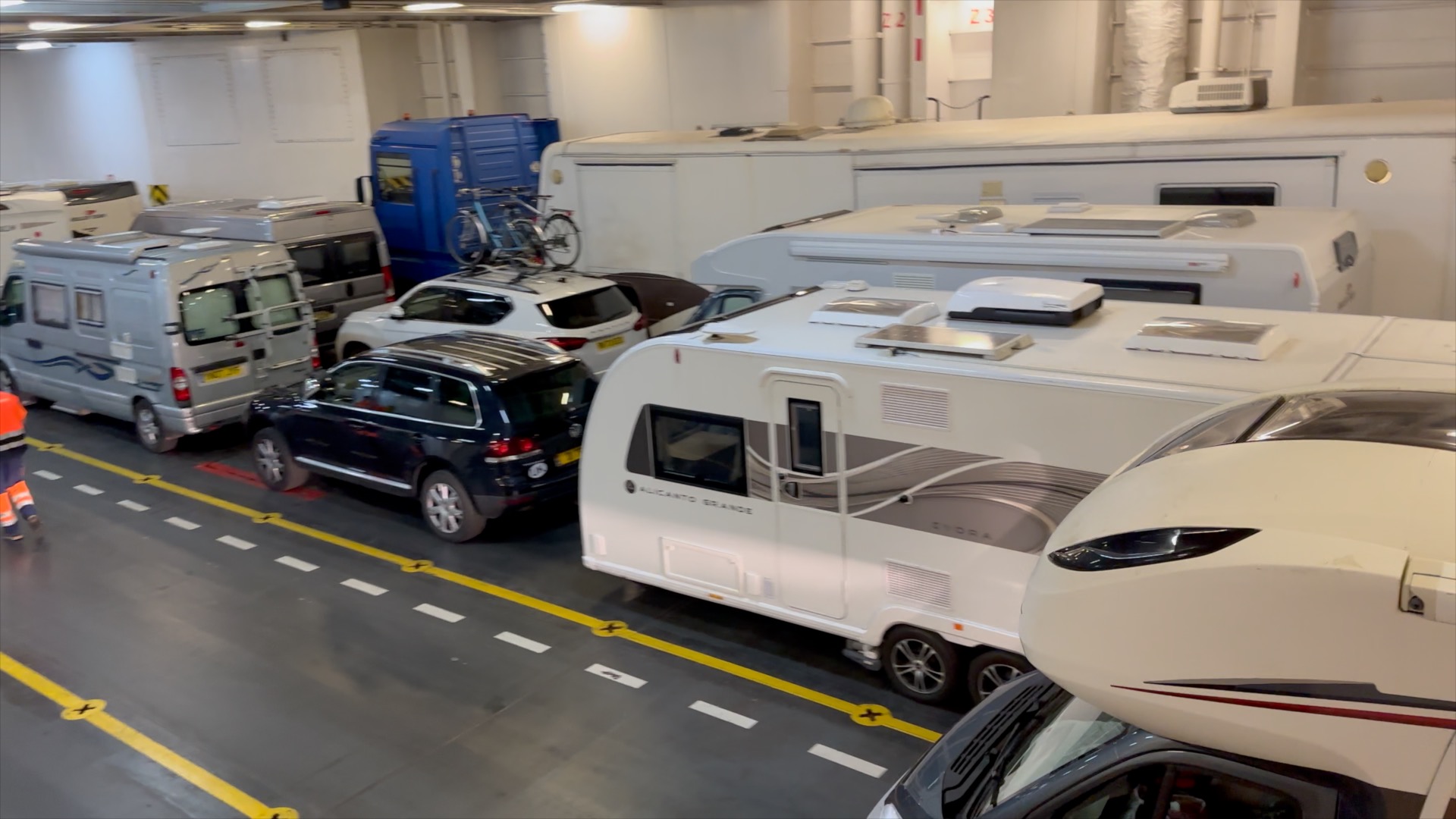
When boarding:
- Follow the marshalls’ instructions carefully
- Apply the caravan handbrake once parked
- Disconnect caravan electrics and make sure the gas has been turned off
- Switch off vehicle alarms if necessary
Channel Tunnel
The Channel Tunnel offers a fast and convenient route into France and can be less intimidating than many first-time travellers expect.
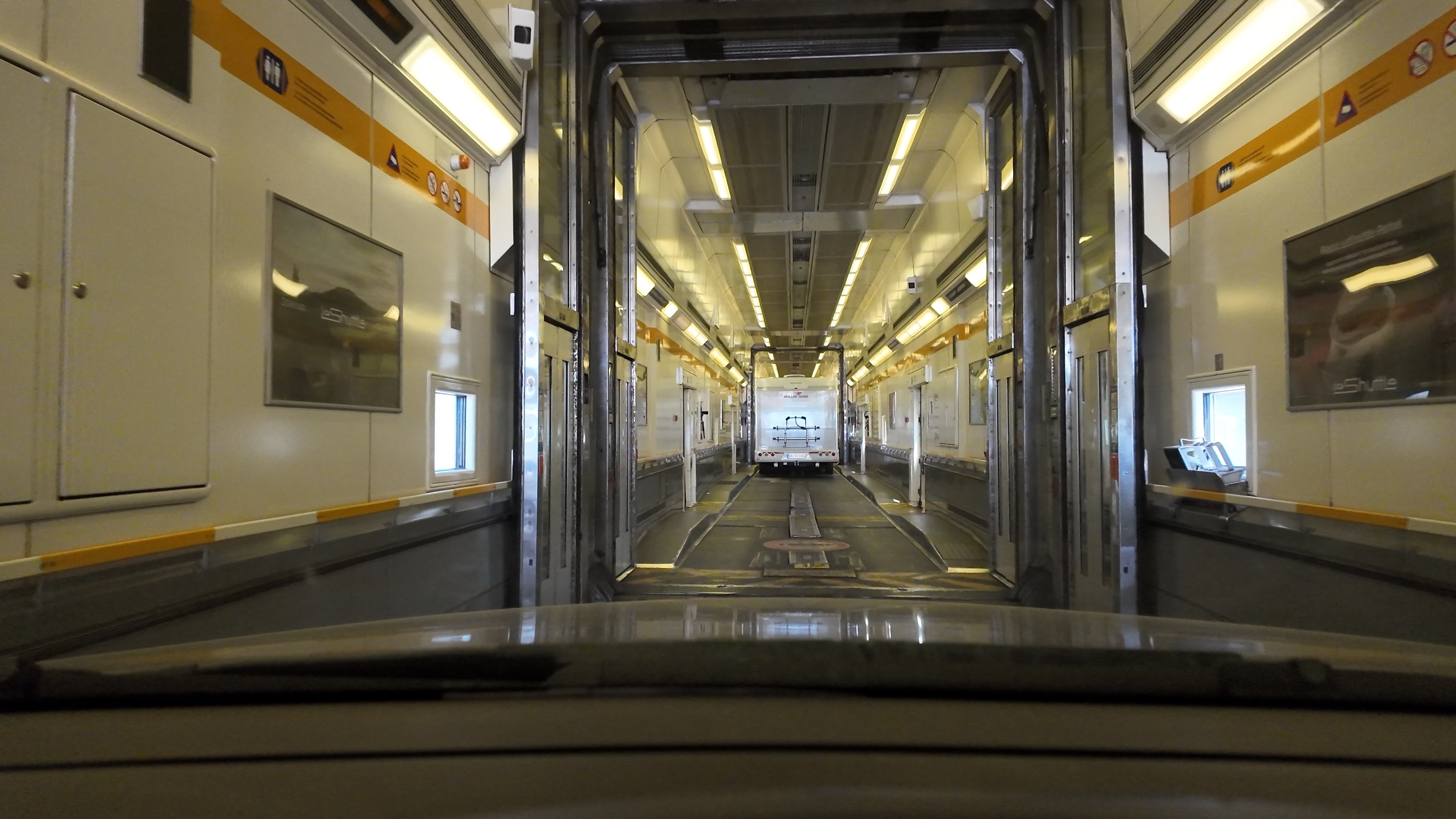
Before boarding, you’ll usually be asked to confirm that your caravan gas supply has been switched off and isolated.
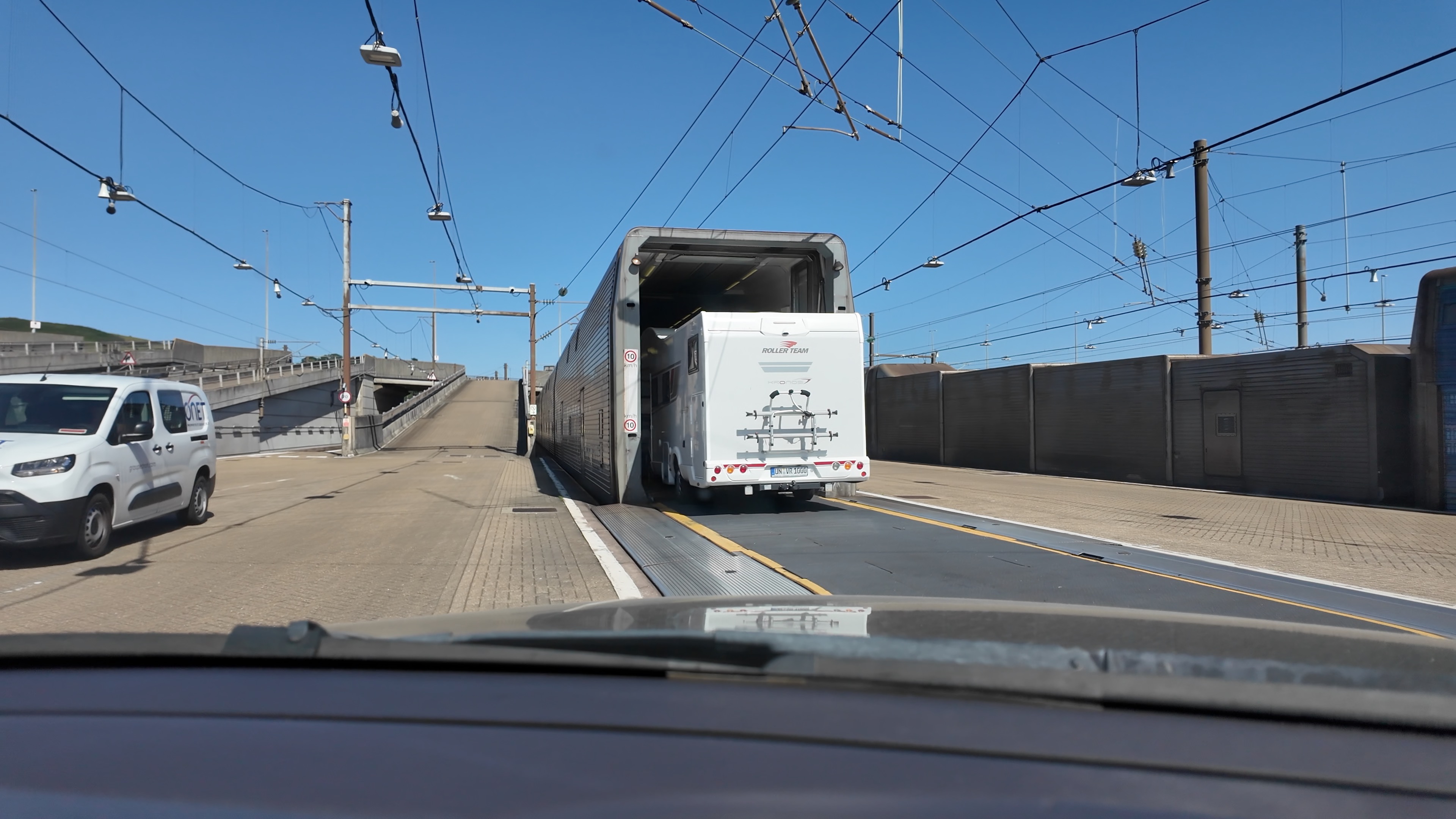
One of the biggest advantages is that you’re quickly on the French motorway network after disembarking.
5. Pack the right equipment
Different European countries have different legal requirements for drivers, so always check country-specific rules before travelling.
Common items that might be needed include:
- High-visibility jackets
- Warning triangles or lights
- Spare bulbs
- Breathalysers (depending on destination)
- Snow chains in winter conditions
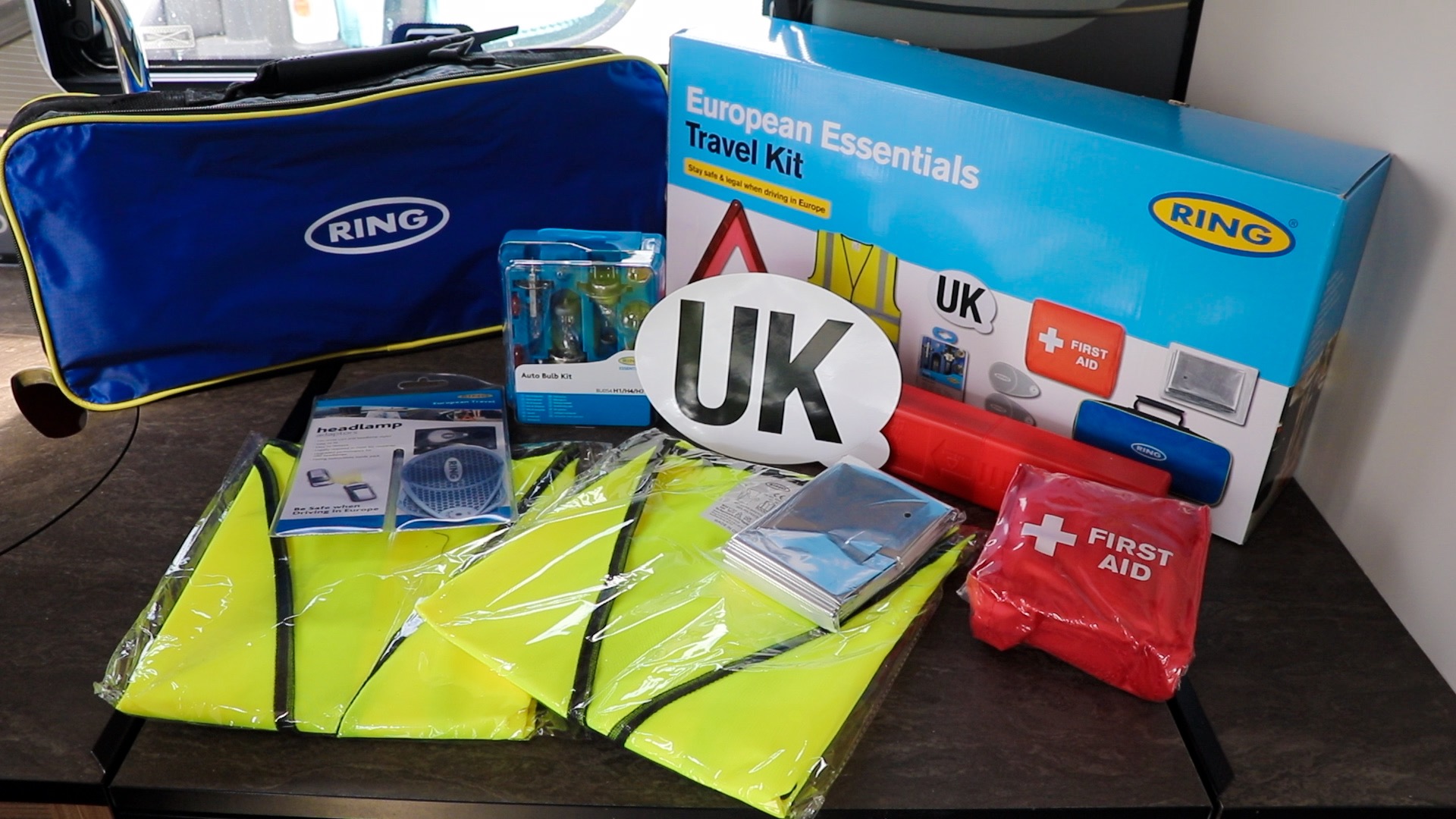
You can buy kits like the one above that contain everything you might need for a European tour.
The RAC and AA both provide regularly updated country-by-country guidance.
Useful caravanning equipment for Europe
Dan also recommends carrying:
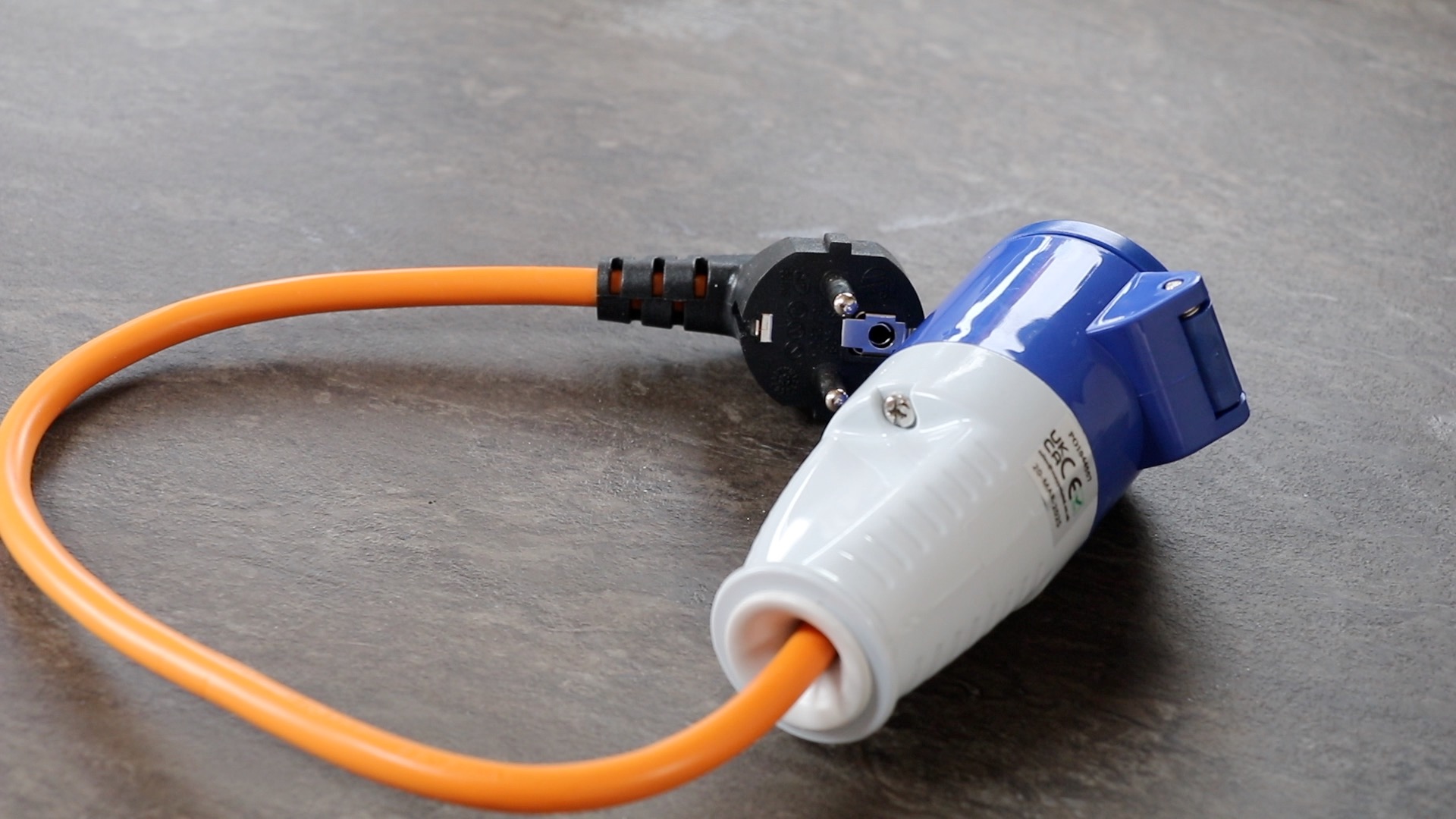
- A European mains hook-up adapter
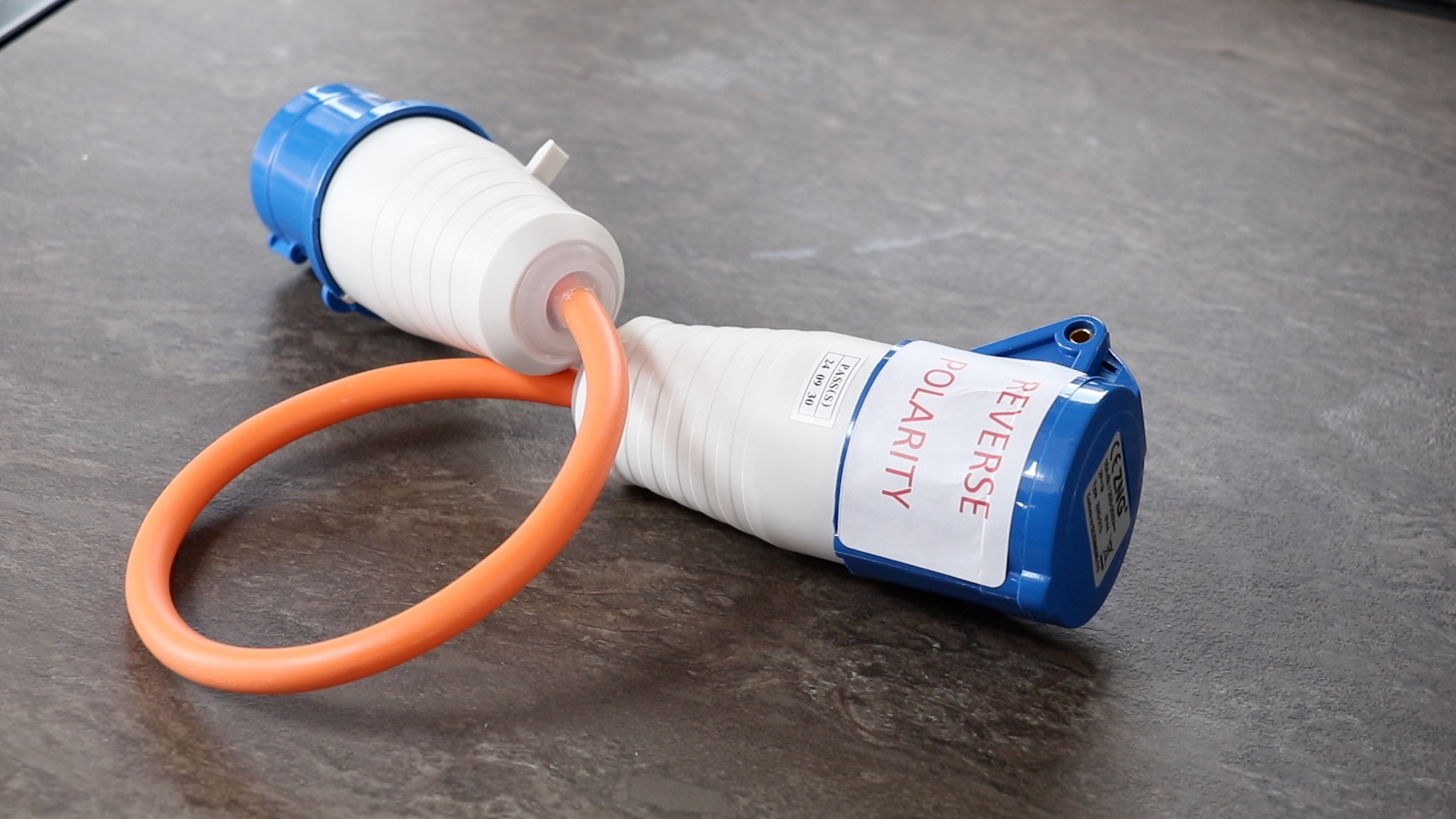
- A polarity reversal lead
- An electrical socket tester
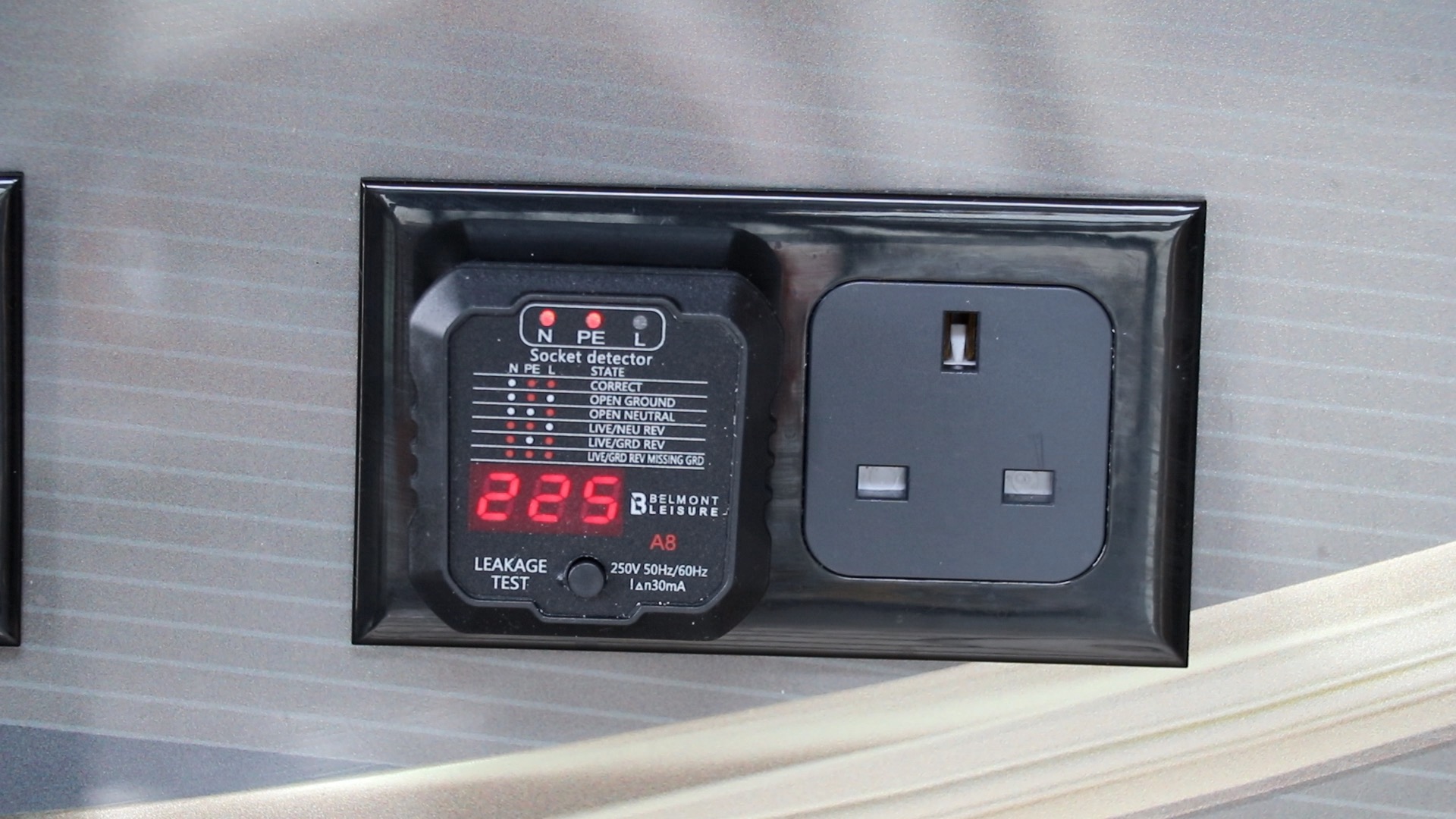
These can help make sure your caravan’s electrical system works safely and correctly on European campsites.
6. Check toll roads
Unlike the UK, many European countries charge for using motorways and major routes. For example, in France, French motorways often operate a toll system known as péage.
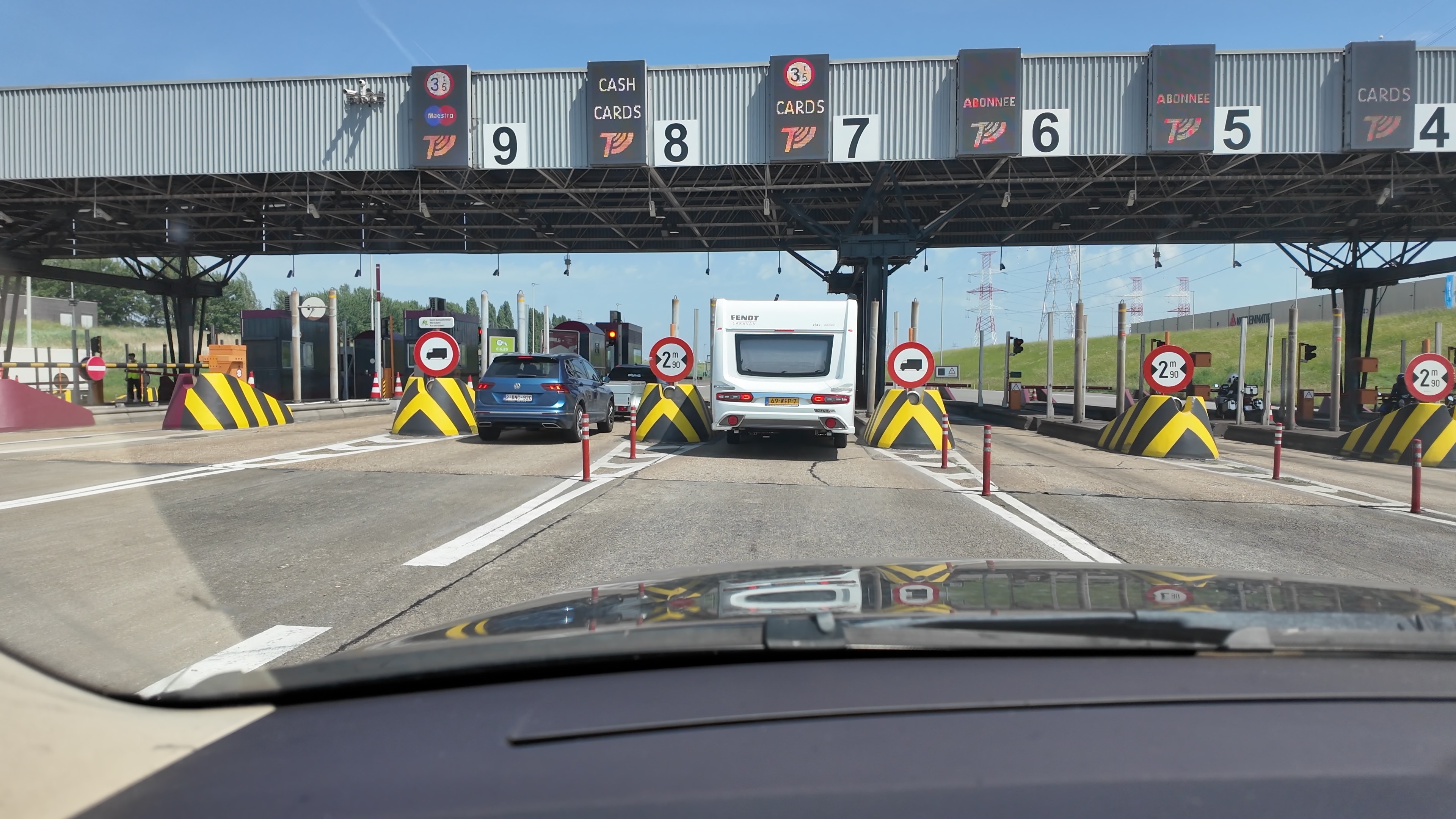
You can either pay as you go by card or cash, or use an electronic toll tag for quicker journeys, where you get invoiced after the event.
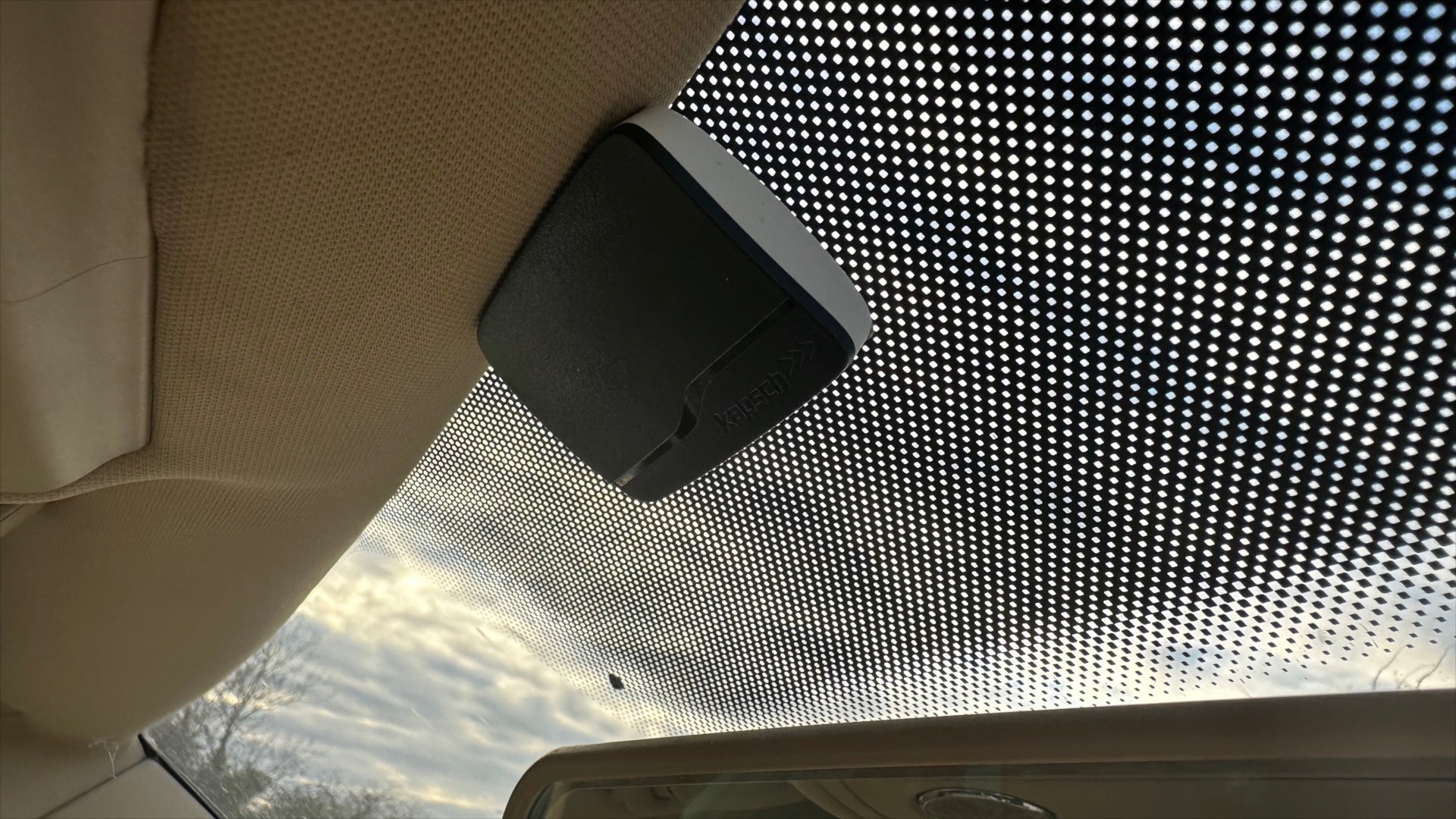
Austria
Austria uses a vignette system, which allows you to drive on certain roads for a specified period after buying a permit.
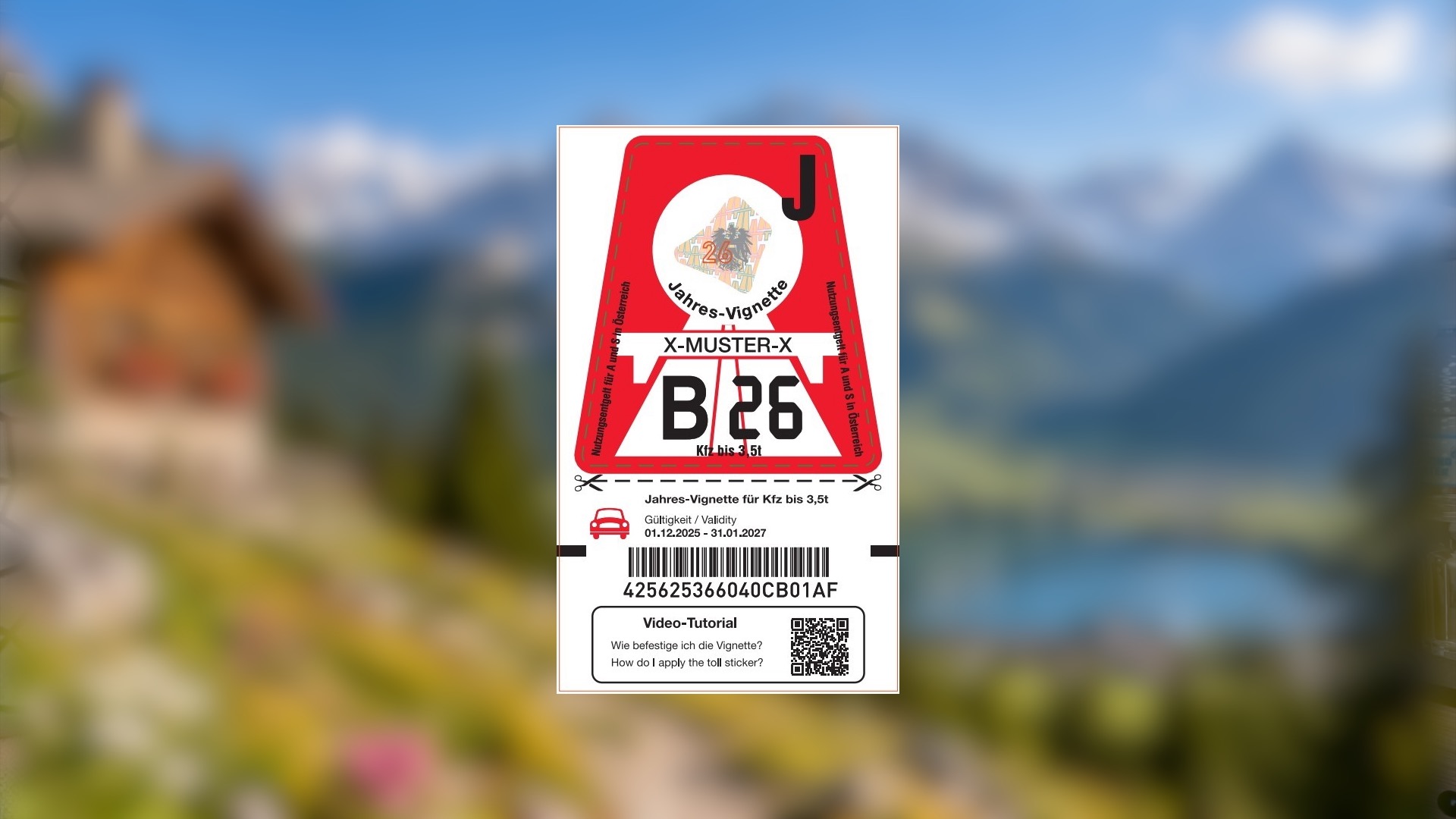
Research the countries you’ll be travelling through in advance to avoid unexpected fines.
Clean air stickers
In France, there are vehicle emission rules for certain cities and regions, and for some of these areas you’ll need a Crit’Air sticker, which you display in your car to identify the vehicle’s emission levels.
Find out more about the Crit’Air sticker here: www.certificat-air.gouv.fr
7. Prepare your car and caravan for Europe
Before leaving home, make sure your caravanning outfit complies with European regulations.
UK sticker
You’ll need a UK identifier sticker displayed on your vehicle and caravan.
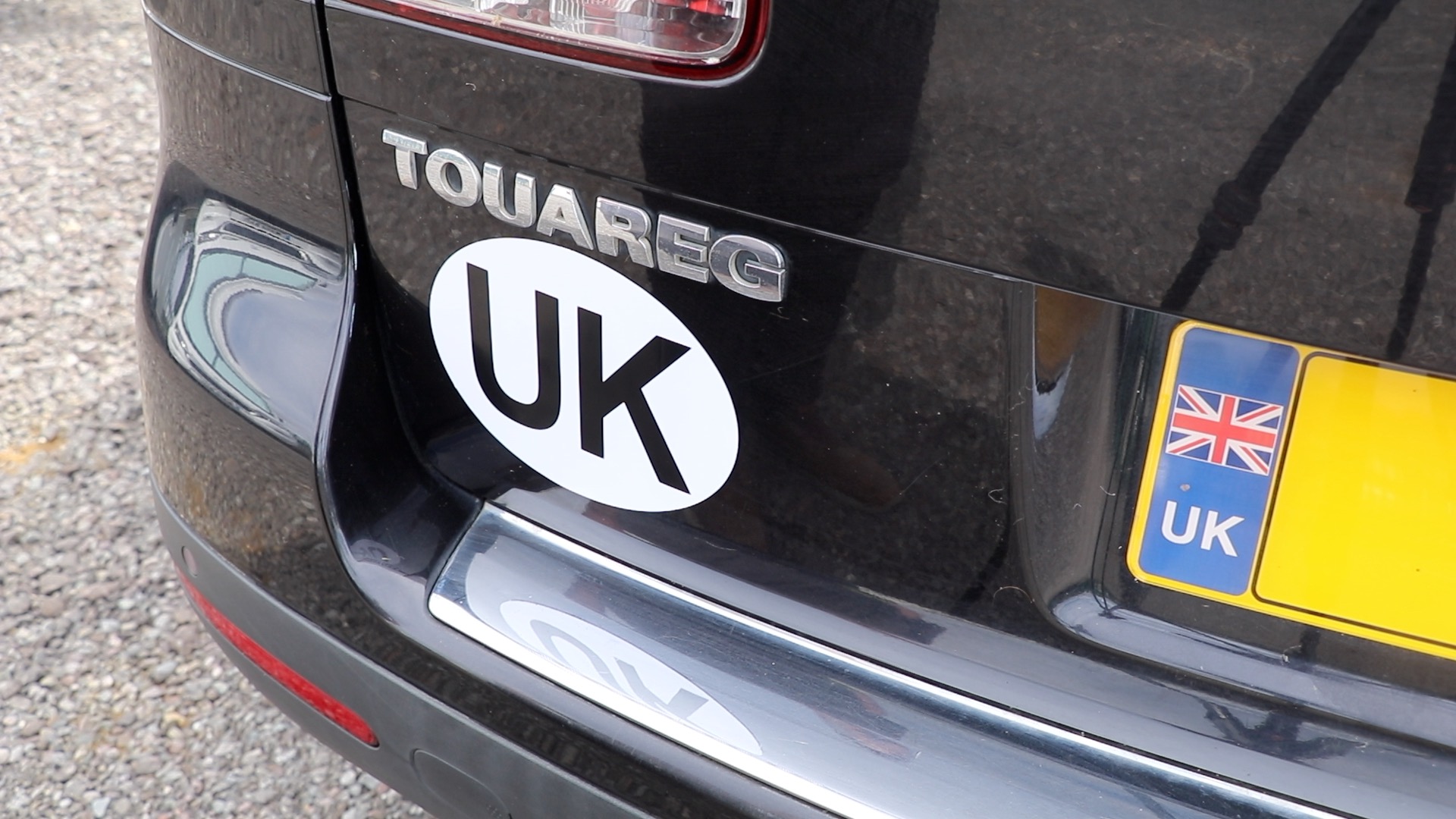
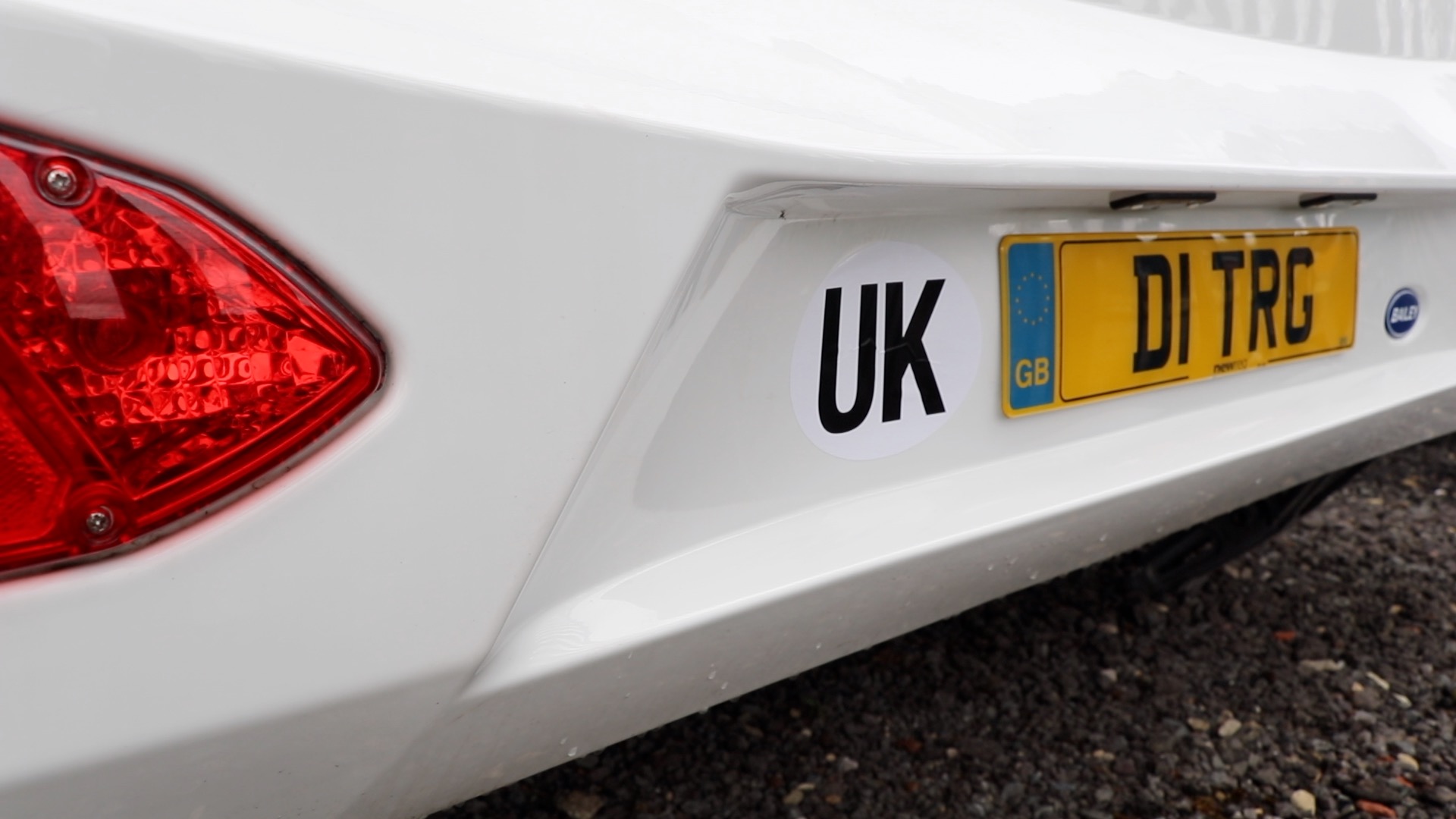
Trailer registration plate
Where needed, your trailer registration plate should be clearly displayed on the back of your caravan.
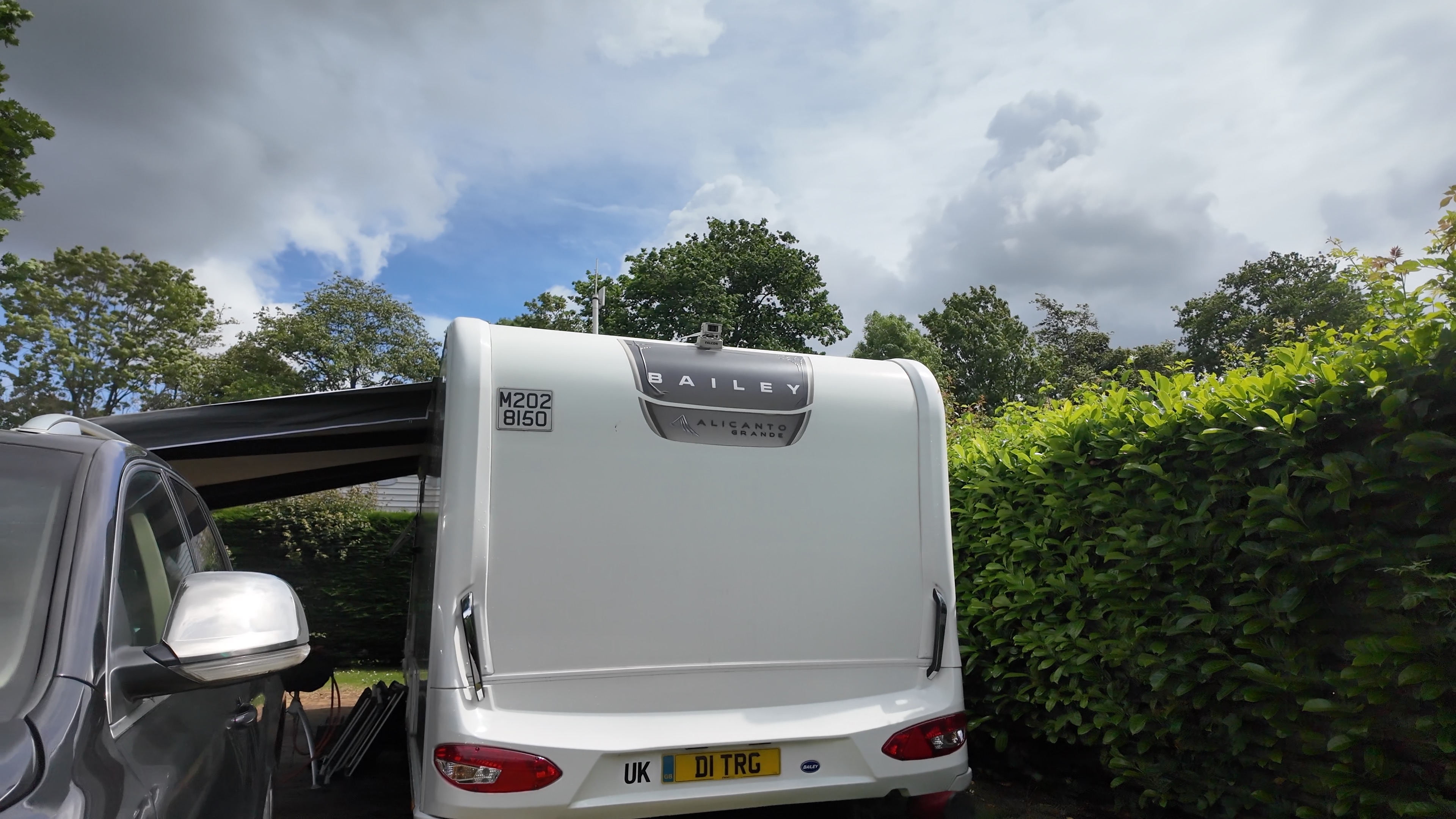
Headlamp adjustment
Many vehicles need headlamp beam deflector stickers, or they might have electronic headlight adjustment settings.
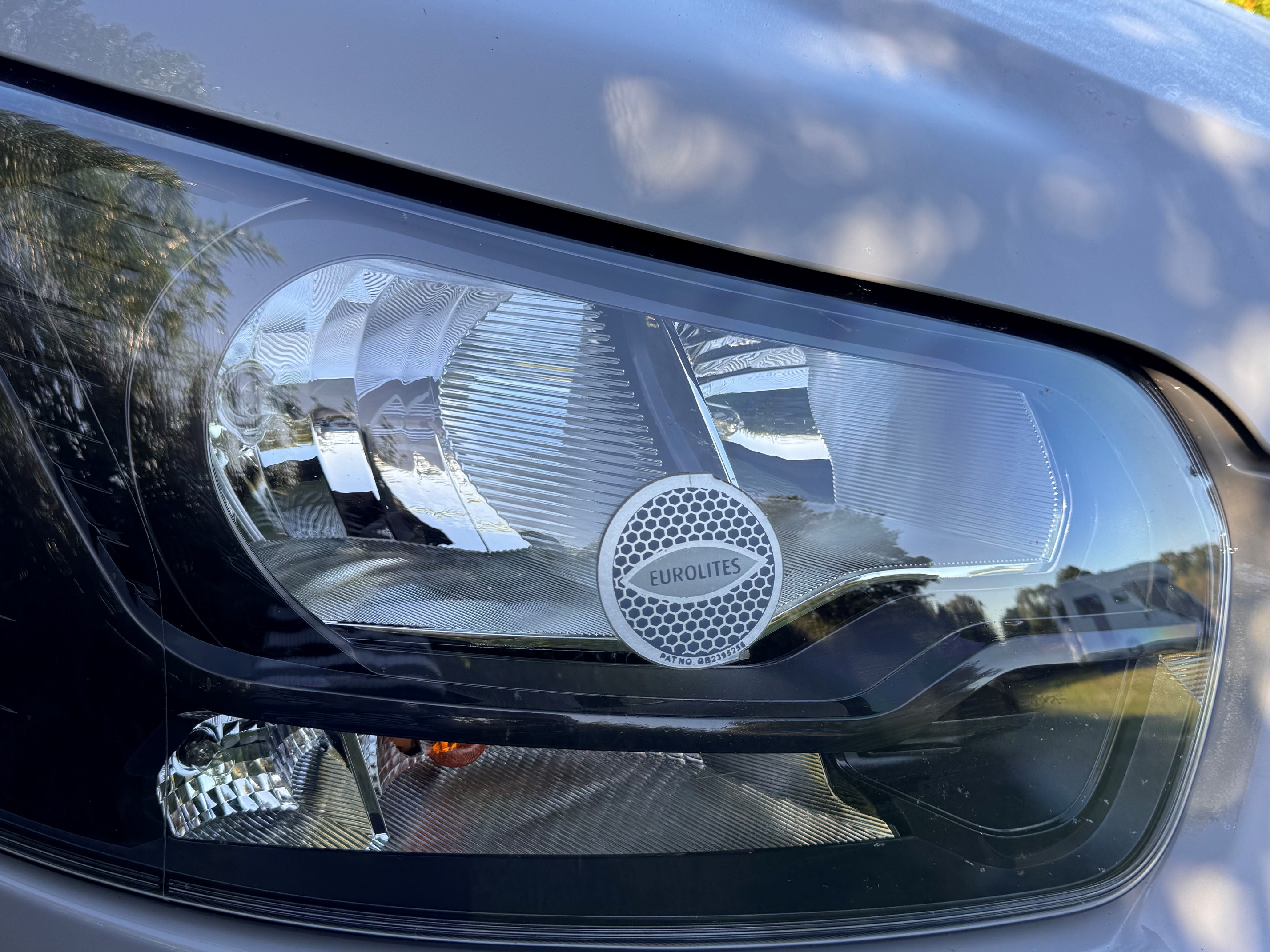
Check your vehicle handbook for guidance.
8. Driving on the right
For many first-time European caravanners, driving on the opposite side of the road is the biggest concern.
The good news? Most drivers adapt surprisingly quickly.
Dan says that after around 10 to 15 minutes, driving on the right often feels completely natural.
Some helpful tips include:
- Use your passenger as an extra lookout at junctions and roundabouts
- Adjust mirrors correctly before setting off
- Use any fitted rear-view camera system
- Take regular breaks if you feel tired or overwhelmed
- Before travelling, familiarise yourself with local traffic signs and caravan speed limits.
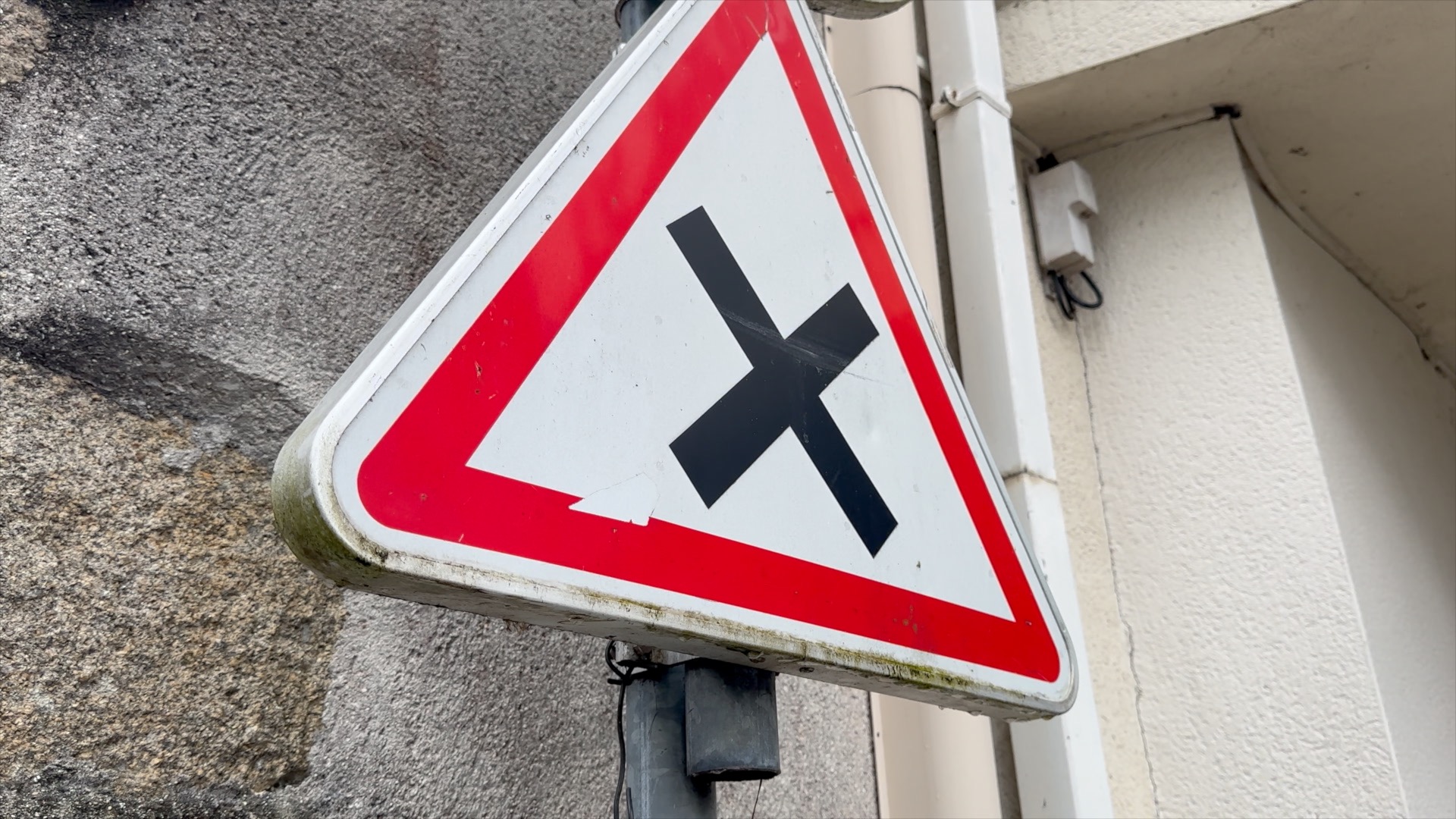
One example in France is the priorité à droite road sign, which gives priority to traffic joining from the right.
Understanding local road rules before you arrive can make your journey much less stressful.
Also, remember the speed signs are in KPH, not MPH…and know the speed limits for towing vehicles in the country you’re travelling in or through.
9. Check the latest travel requirements
Travel regulations can change regularly, so always review the latest advice before departure.
The GOV.UK foreign travel advice pages are an excellent source of information on:
- Entry requirements
- Pet travel rules
- Border control systems
- Driving regulations
- Health requirements
Checking official guidance before you leave can help avoid any unpleasant surprises.
10. Understand European campsite etiquette
European campsites are generally very similar to those in the UK, but there are a few differences worth noting.
Reception closures
In countries such as France, campsite receptions often close during lunchtime, so make sure your arrival time aligns with reception opening hours.
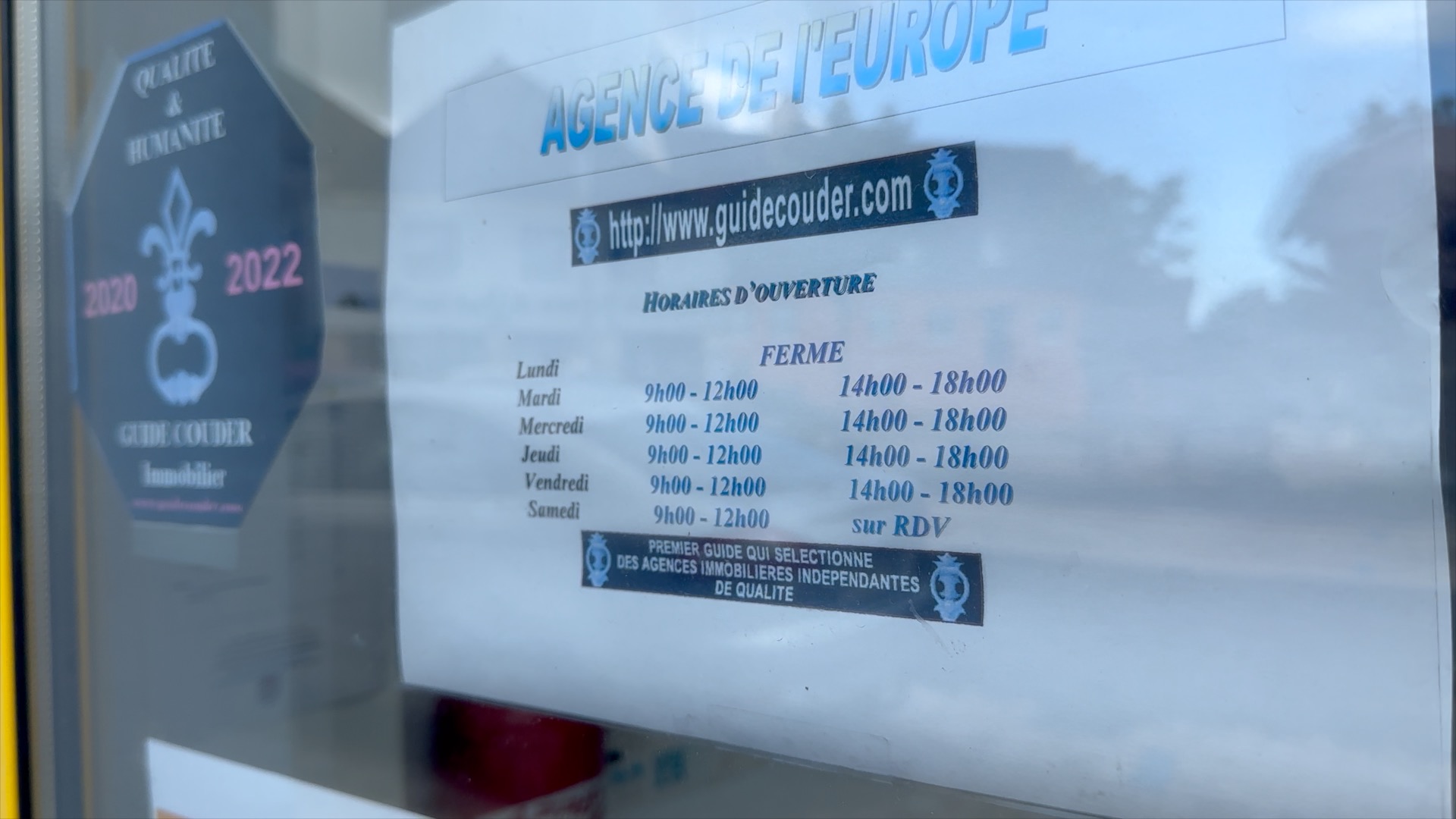
Service pitch layouts
Many European pitches are designed for continental caravans, which often have doors on the opposite side to UK models.
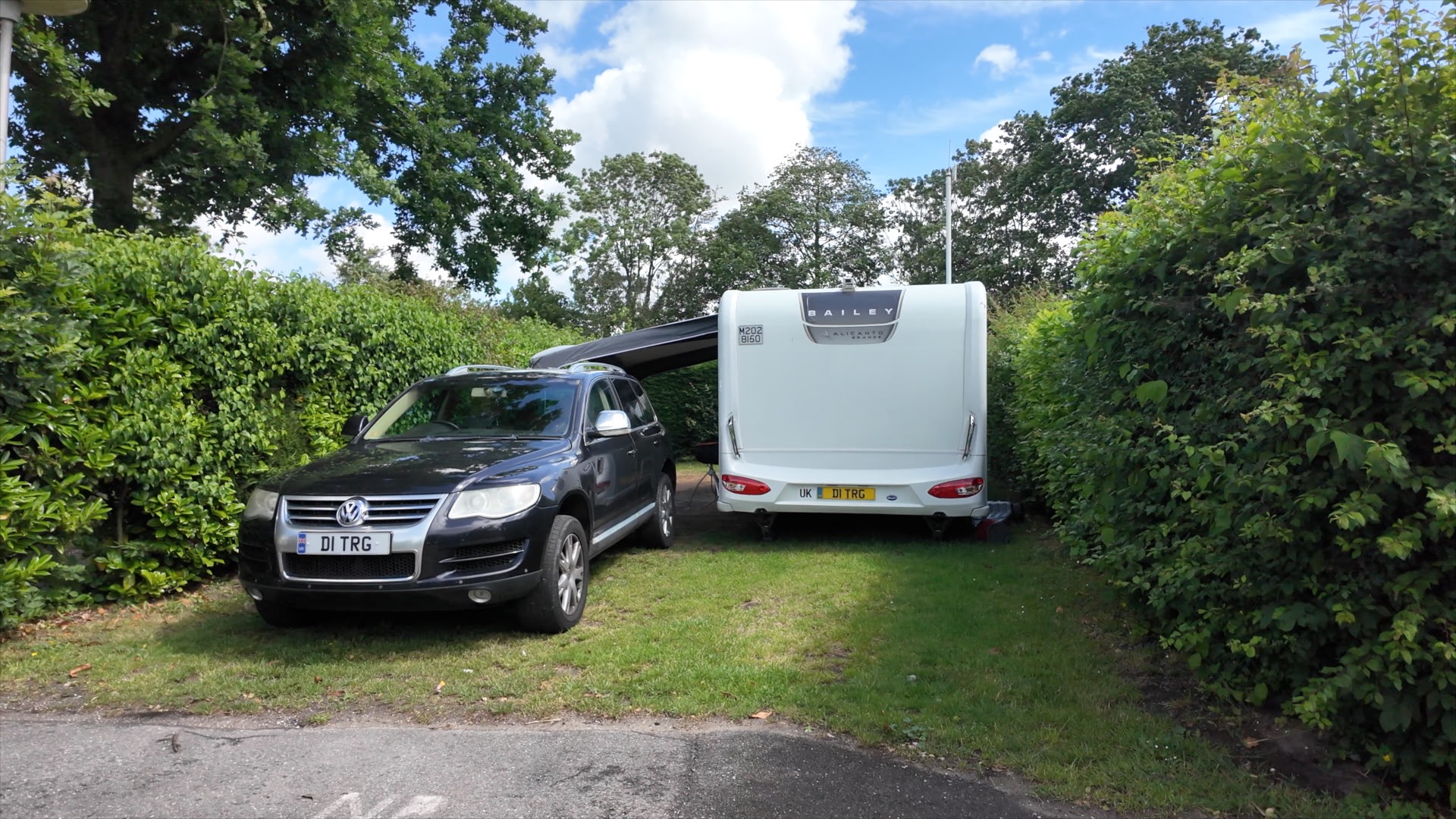
You may occasionally need to pitch differently to access services, waste points or awning space.
Respect campsite rules
As in the UK, observe quiet hours, keep dogs under control, respect neighbouring pitches, avoid walking across other campers’ pitches.
Why caravanning in Europe is worth it…
Once you’ve completed your first trip abroad, Dan says you’ll likely wonder why you didn’t do it sooner.
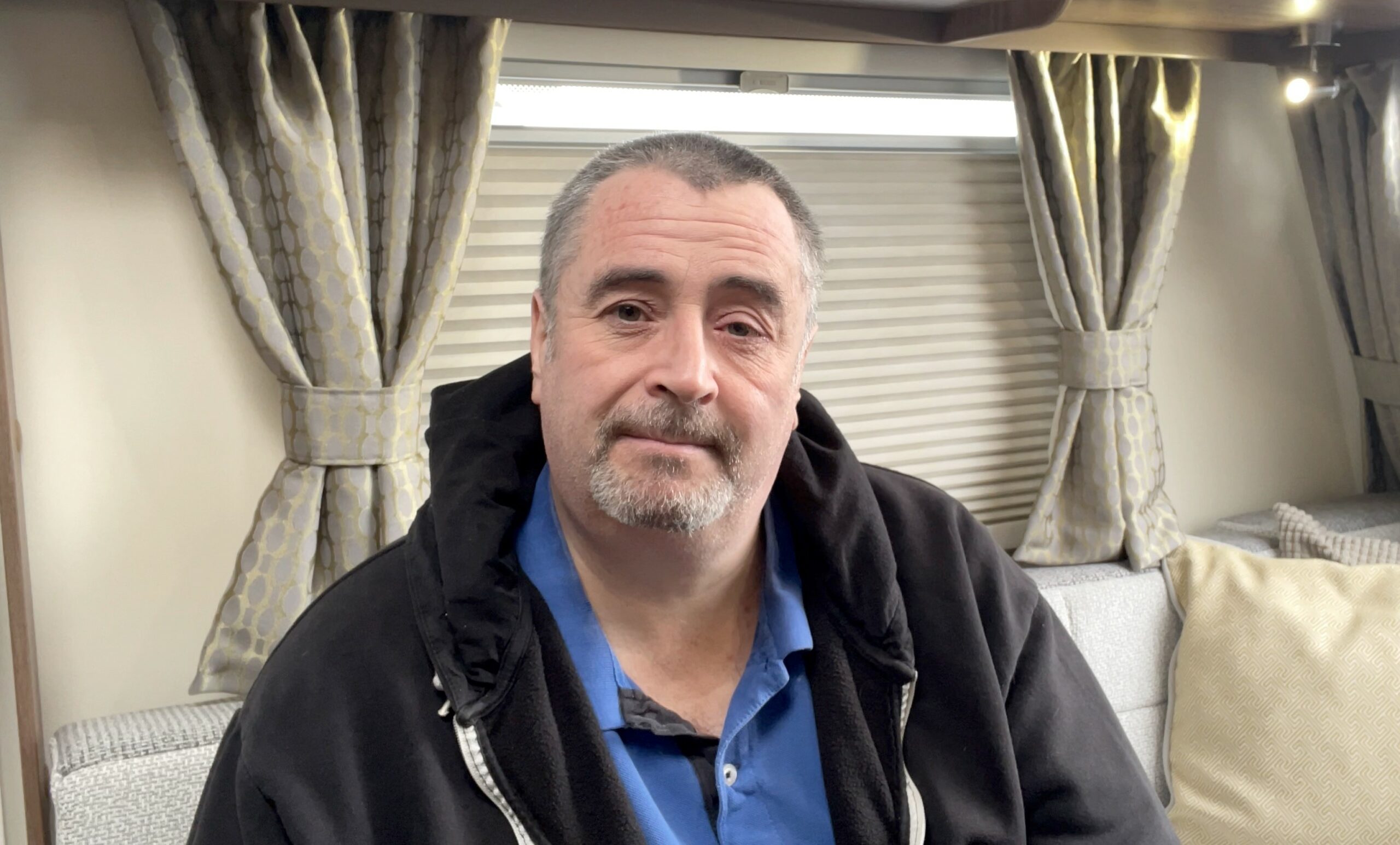
“From spectacular mountain scenery and beautiful coastlines to fantastic food, culture and generally excellent roads, Europe opens up a whole new world of caravanning opportunities,” said Dan. “Yes, there is more planning involved than a UK touring holiday, but after your first trip you’ll already have most of the paperwork, equipment and experience needed for future adventures.”
As Dan says, once you catch the bug for European caravanning, you’ll be planning your next trip before you’ve even unpacked.
Have you toured Europe with your caravan?
We’d love to hear about your favourite destinations, tips and experiences. Share your recommendations in the comments below and help inspire other caravanners to take the plunge.
Find out more about Caravan Guard’s European caravan insurance cover and get a quote before you travel.



 Tourer, trailer tent or folding camper claims
 Motorhome, RV or campervan claims
 Static caravan claims
 Park home claims
Your thoughts and comments