


 01422 396 769
 quote
One of the great things about owning a motorhome or campervan is having the freedom to get away throughout the year. And there can be plenty to love about touring in autumn and winter, from quieter campsites to crisp mornings and a completely different view from your pitch. But shorter days and changeable weather can also make driving more challenging. Heavy rain, strong winds, fog, frost, snow, ice and low winter sun can all affect road conditions and visibility.
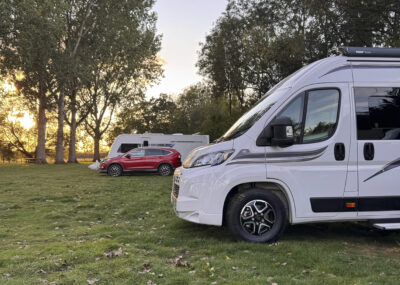
In our video, we speak to retired traffic police officer Nigel Hutson for his expert advice on preparing your motorhome or campervan for colder-weather journeys and staying safe when conditions become difficult.
Here are Nigel’s top tips for autumn and winter motorhome driving.
1. Give your motorhome a thorough check before setting off
Good preparation starts before you turn the key.
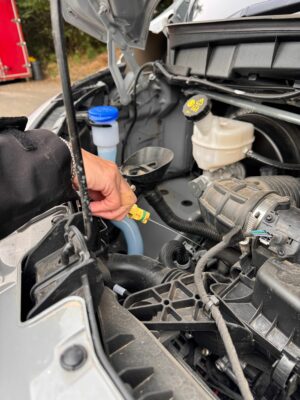
As with any vehicle, check you have enough fuel, all your lights are working and clean, and your oil, coolant and windscreen washer fluid are at the correct levels. Check for warning lights on the dashboard and make sure the vehicle’s electrics are working properly.
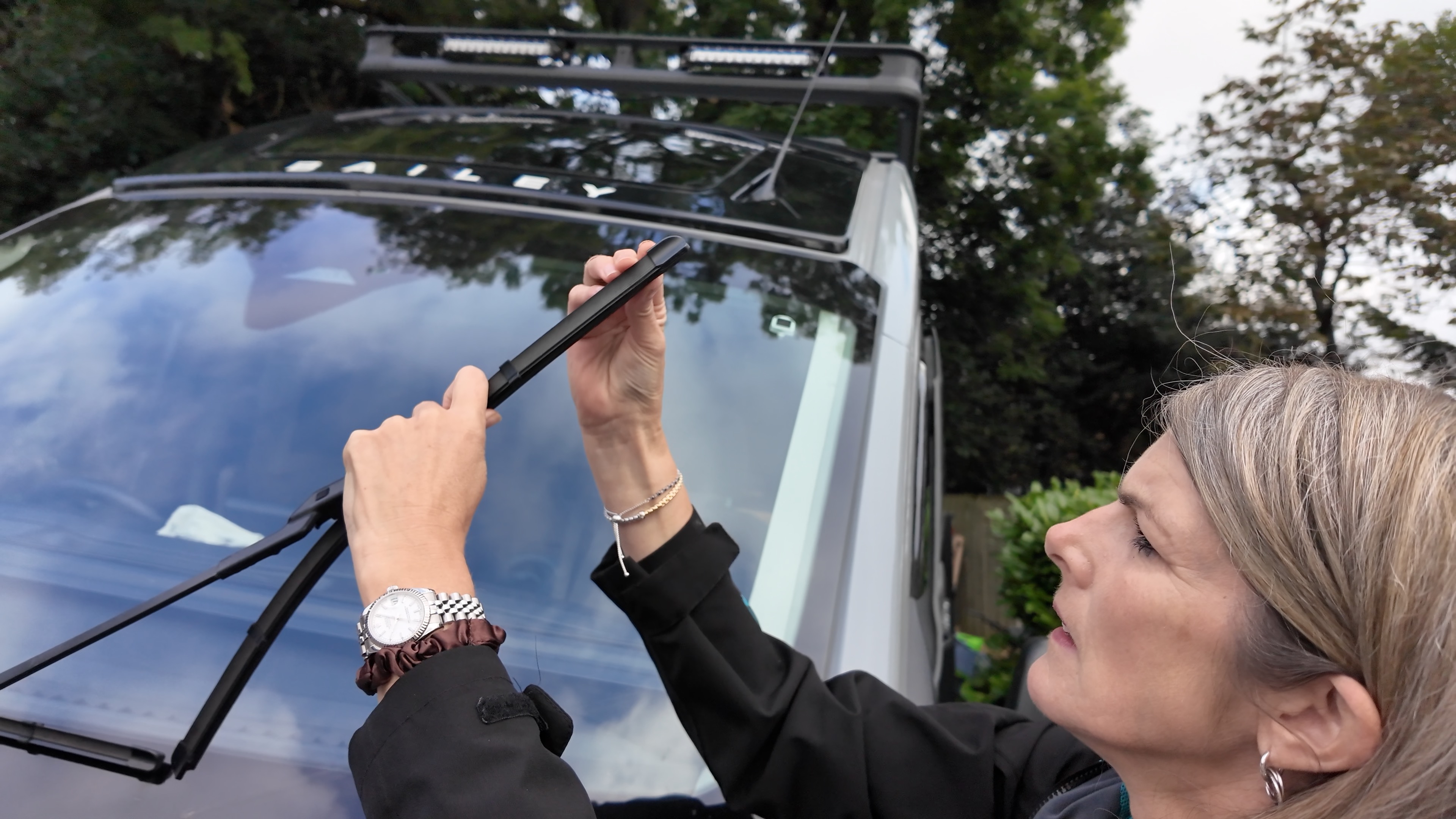
Visibility becomes particularly important at this time of year, so check your windscreen wipers for wear or splits and keep the windscreen clean both inside and out.
Don’t forget your wing mirrors either. On many motorhomes they’re your main means of seeing what’s behind you, so make sure they’re clean and clear before every journey.
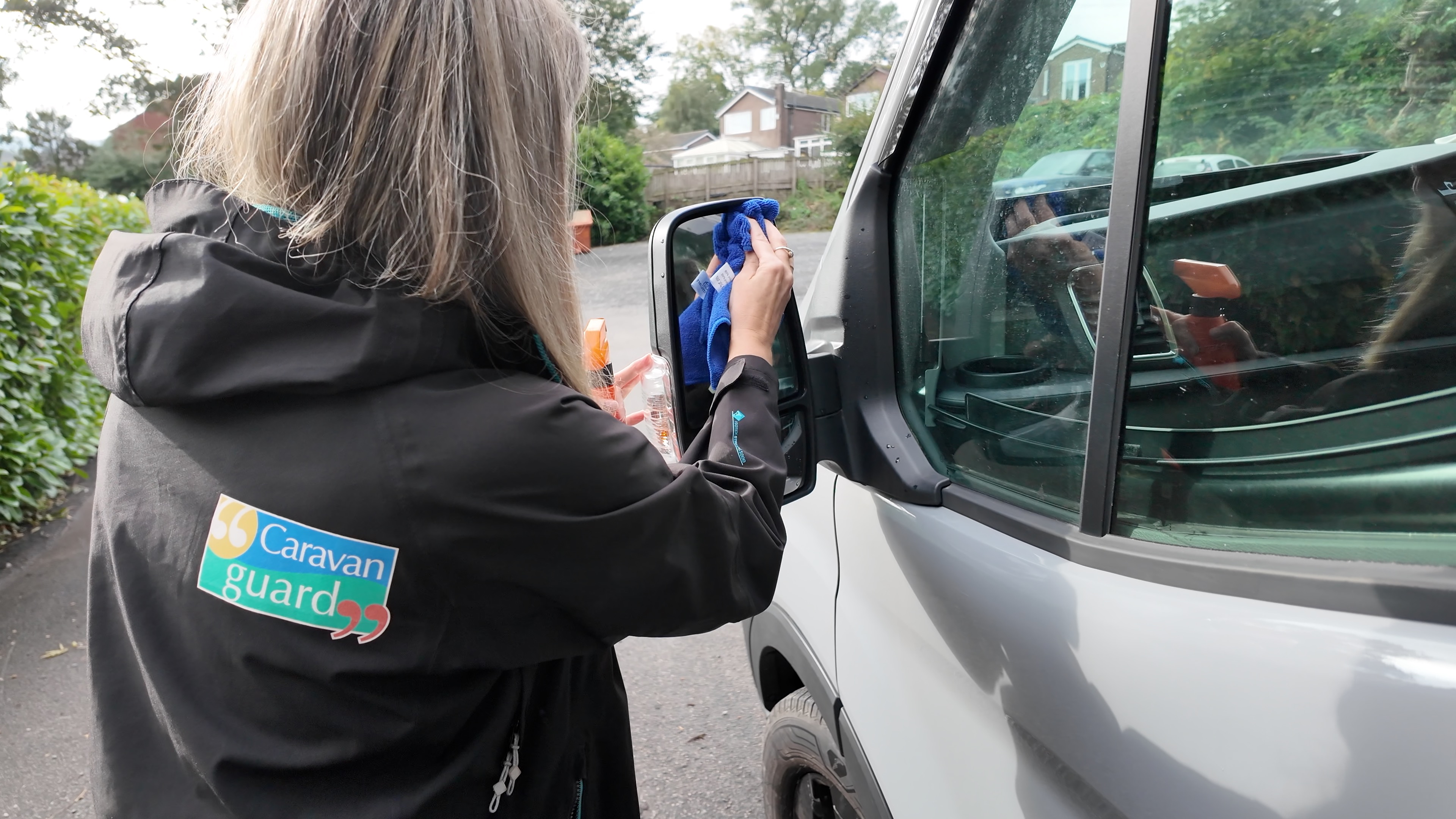
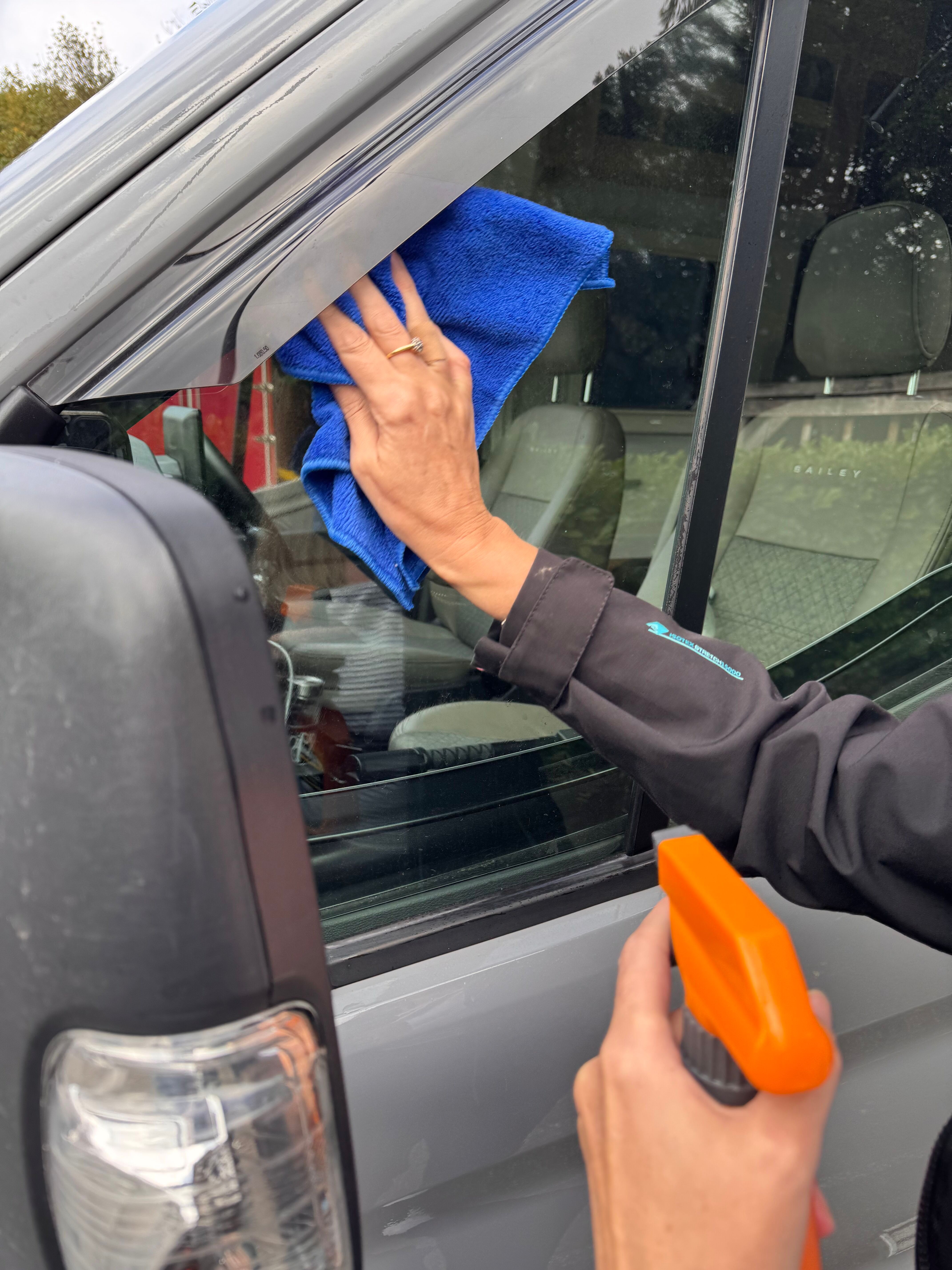
Winter grime can quickly cover lights, number plates, windows and mirrors, so it pays to carry a cloth and give them a clean during longer journeys too.
Finally, make sure everything inside your motorhome or campervan is safely stowed and any heavy loads are secure and kept low down.
2. Pay particular attention to your tyres
Your motorhome tyres are extremely important when roads are cold, wet or slippery.
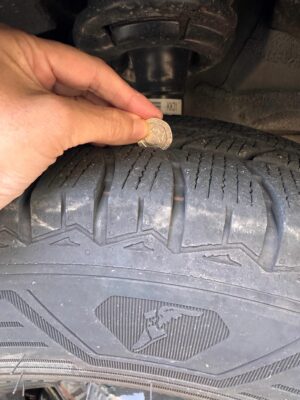
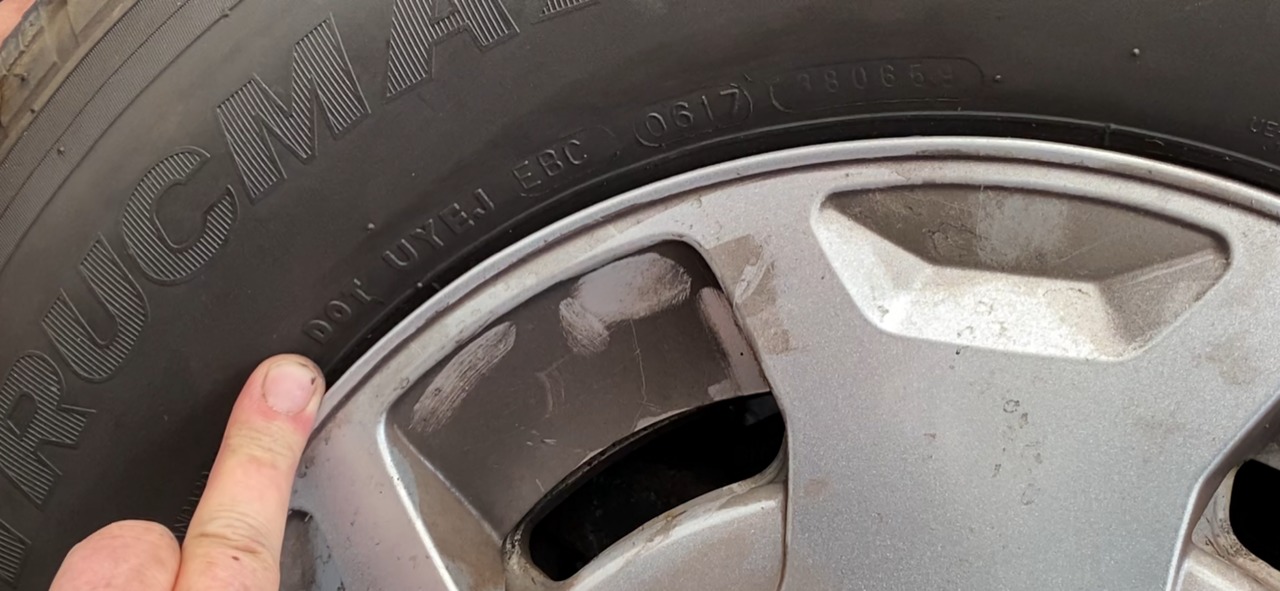
Check the tread depth and look carefully around each tyre for cracks, bulges or other visible damage. Nigel also recommends checking the four-digit tyre date stamp, which identifies the week and year the tyre was manufactured. If your tyres are more than five years old, Nigel advises considering replacing them.
If your budget allows, winter tyres are another option for colder-weather touring. They offer improved stopping performance in lower temperatures as well as extra grip if you encounter snow.
3. Keep your windscreen washer topped up
You’ll probably use far more screenwash during autumn and winter than you do in summer.
Wet, salted and gritted roads can throw a constant mixture of spray and grime onto your windscreen, so even a short journey can have you reaching for the washer several times.
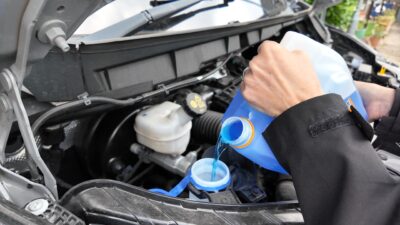
Keep the reservoir topped up and, as temperatures fall, consider using a more concentrated winter screenwash mixture that won’t freeze as soon as it reaches the windscreen.
Check your wiper blades too. Worn, split or dirty blades can leave streaks just when you need good visibility most.
4. Make sure you’re fit and ready to drive
Don’t just prepare your motorhome. Prepare yourself too.
Get a good night’s sleep before a long journey and don’t drive when you’re tired. If you take medication, make sure you’ve taken it as prescribed and have enough with you for your trip.
And don’t drive if alcohol from the night before could still be in your system.
Reduce other distractions as much as possible too. Pets should be properly restrained, and it can help to make sure children have suitable entertainment for longer journeys so you can concentrate fully on the road.
5. Check the forecast and road conditions
Autumn and winter weather can change quickly, so check the weather forecast and traffic information before setting off and continue listening for updates during your journey.
That can give you early warning of road closures or worsening conditions and give you the chance to alter your route.
And remember that sometimes the safest decision is simply not to travel. If severe weather or a storm is forecast, consider delaying your journey until conditions improve.
6. Pack a winter travel kit
Even a straightforward journey can become a long one if you’re caught in bad weather, heavy traffic or a breakdown.
Nigel recommends carrying winter essentials including:
- Warm, waterproof clothing
- Wellington boots
- A high-visibility vest
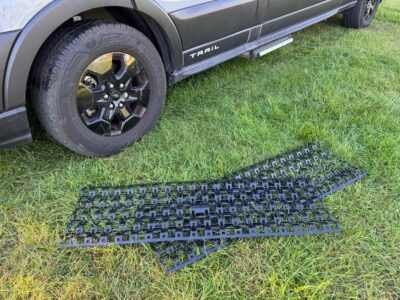
- Grip mats
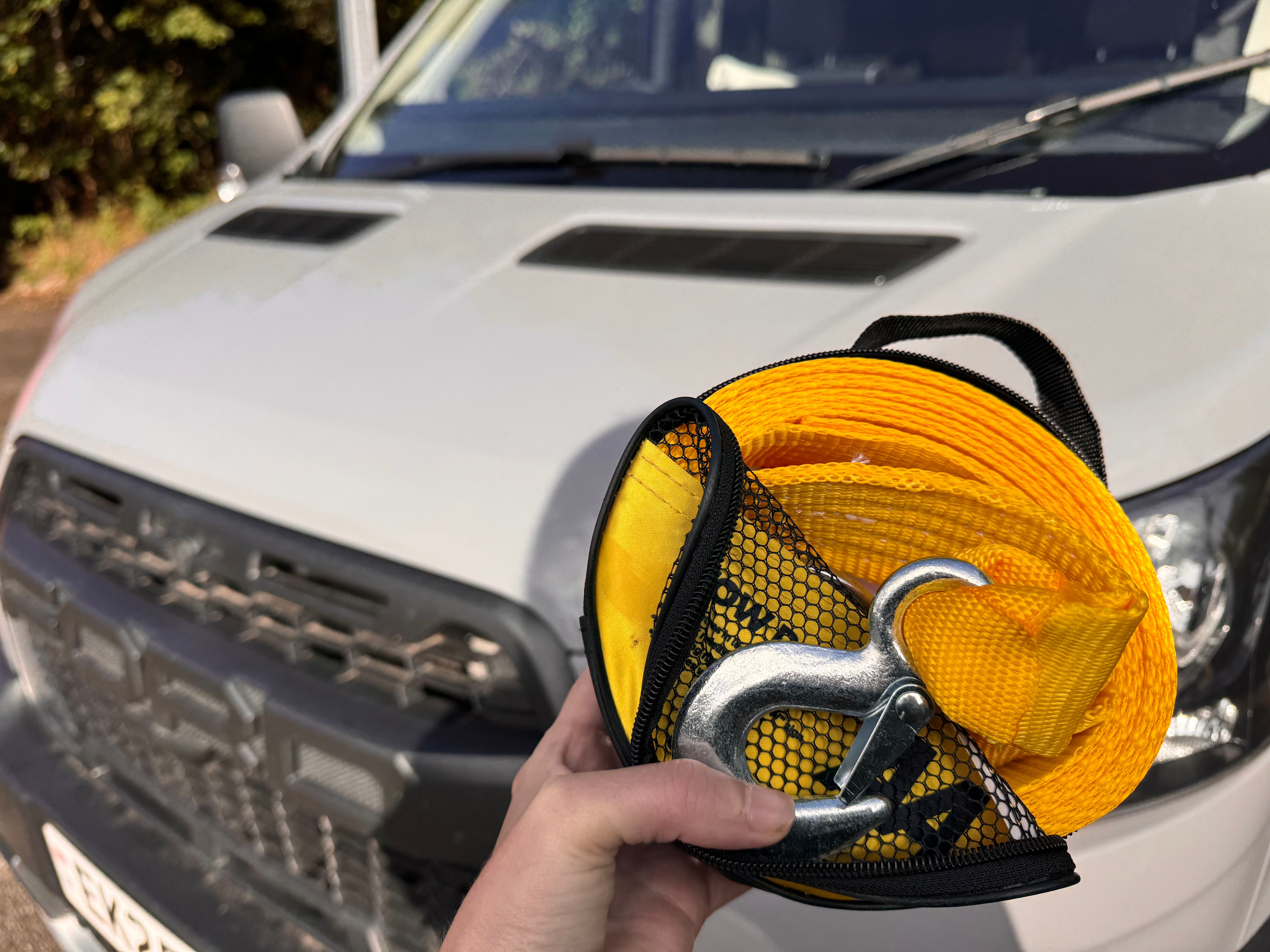
- A tow rope, plus knowing where your motorhome’s towing eye is
- De-icer and an ice scraper
- A warning triangle
- A handbrush for clearing snow
- A torch
- A portable phone charger
- A map
- Warm hats, scarves and gloves
- A blanket or foil emergency blanket
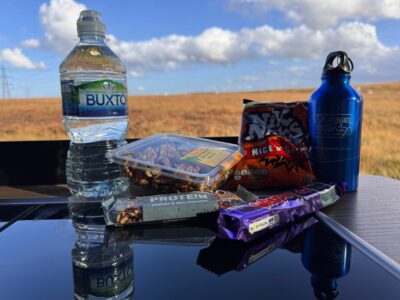
- Drinks and emergency snacks
- A small shovel to help dig yourself out of snow
- Microfibre cloths for keeping windows and mirrors clear
It’s definitely worth putting grip mats and a tow rope on your packing list when you’re heading to campsites with wet or muddy pitches.
7. Give yourself more room to stop
A motorhome is a bigger, heavier vehicle than a typical car and is likely to take longer to stop.
Increase the distance between you and the vehicle ahead, particularly when the road is wet, icy or slippery, or when visibility is reduced.
Nigel’s overriding advice for bad-weather driving is simple: “Do everything slowly and deliberately rather than rushing.”
Reduce your speed, avoid sudden manoeuvres and give yourself more time and space to react.
8. Be prepared for strong winds
The larger sides of a motorhome can make it particularly susceptible to crosswinds.
A sudden gust can affect the vehicle’s direction, so reduce your speed in windy conditions. Pay particular attention in exposed areas and whenever conditions become gusty.
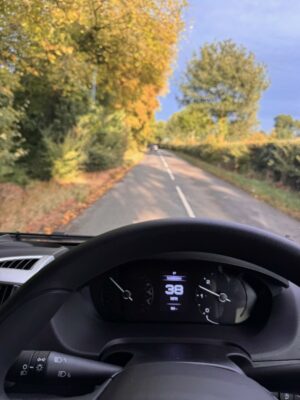
Again, the key is to take your time and avoid rushing, as well as avoiding exposed routes and taking care when overtaking other high-sided vehicles.
9. Take extra care when setting off on slippery surfaces
Many motorhomes are front-wheel drive, while a significant proportion of their weight can be towards the back. That can make gaining traction more difficult on slippery surfaces, particularly with lots of leaves on the roads and muddy campsites.
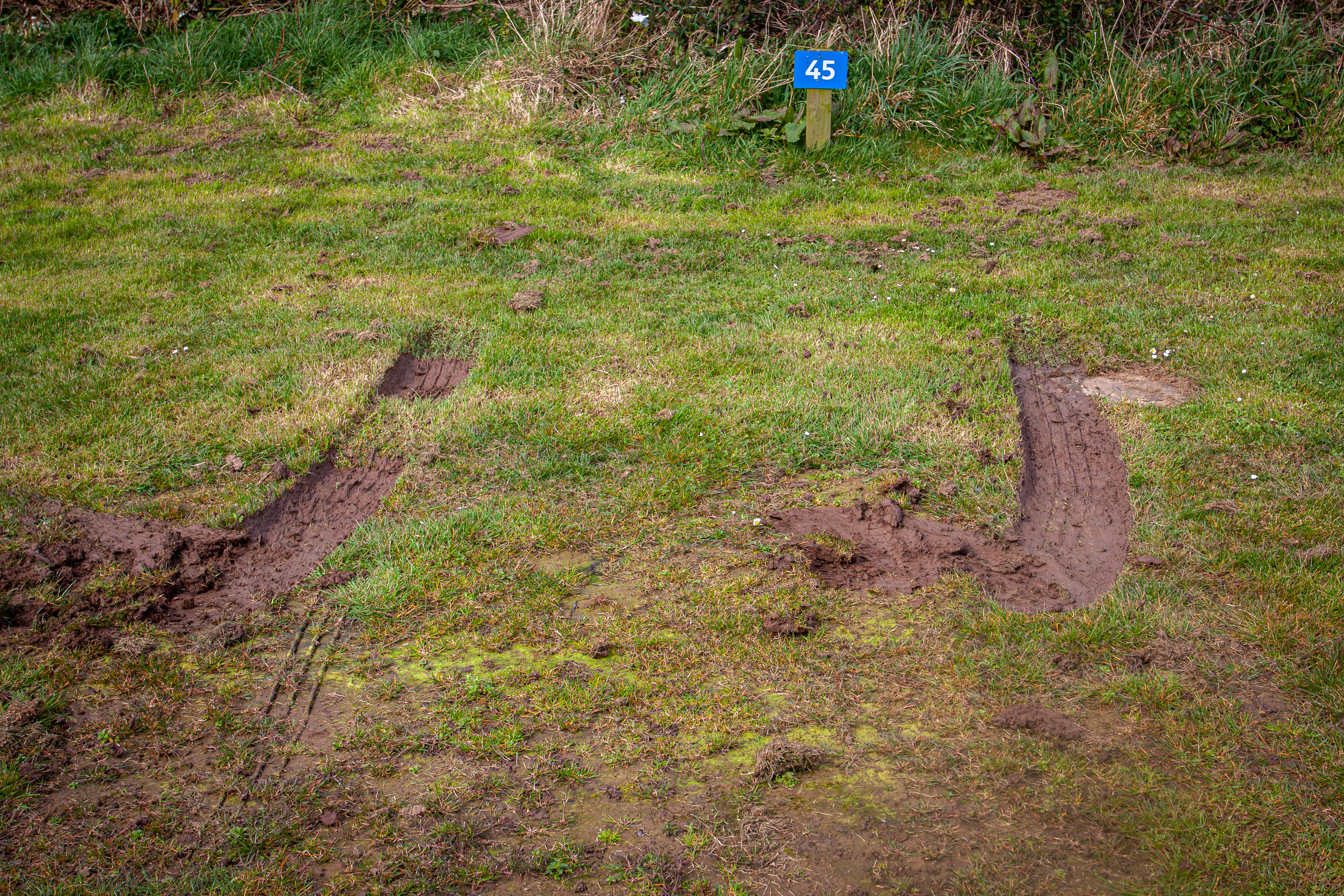
If you drive a manual motorhome and you’re on level ground or a slight downhill, Nigel suggests trying to pull away in second gear rather than first. The lower engine revs can help the tyres gain traction.
Some automatic vehicles might also allow you to select a higher gear for setting off. Always follow the manufacturer’s instructions for your particular vehicle.
10. Don’t let low winter sun catch you out
Low sun can be a major problem during autumn and winter, particularly in the morning and late afternoon.
Make sure your windscreen is spotlessly clean on both sides. A film on the inside that is barely noticeable on a dull day can dramatically increase glare when direct sunlight hits the glass.
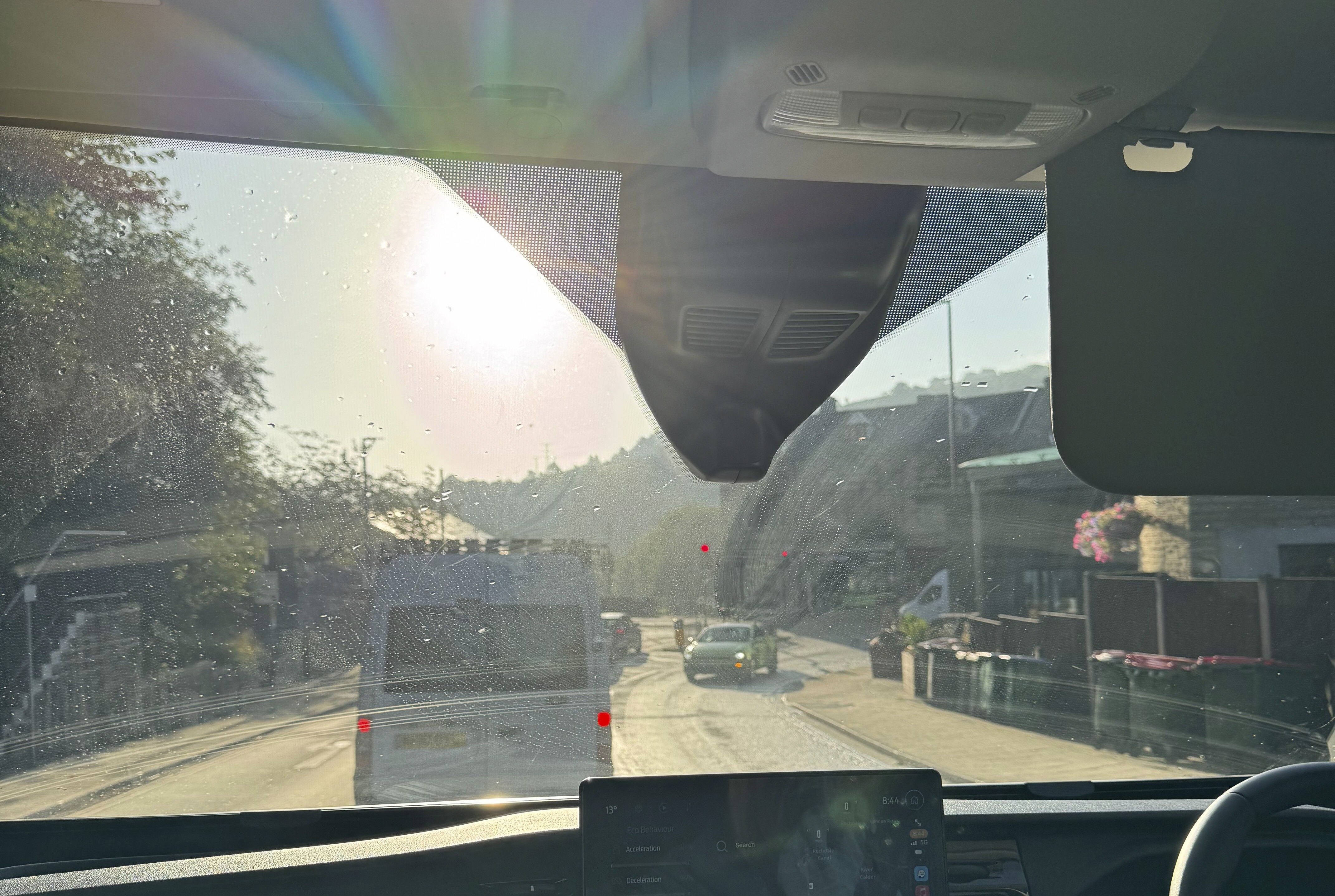
Use your sun visor where it helps and consider polarised sunglasses to reduce glare from wet roads.
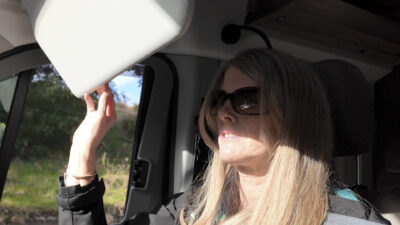
Most importantly, if glare is affecting what you can see, slow down. You need to be able to stop within the distance you can see to be clear.
11. Take extra care when driving in the dark
Shorter days inevitably mean more journeys could involve driving in the dark.
Make sure you’re well rested, and your headlights are correctly adjusted. Use full beam appropriately and dip your lights so you don’t dazzle approaching drivers or vehicles ahead.
If you’re dazzled by bright oncoming headlights, Nigel suggests looking slightly towards the left-hand side of the road rather than directly at the lights, while still keeping your attention on where you’re driving.
Rather than repeatedly braking and accelerating as vehicles approach, aim for a safe, steady speed.

Wildlife is worth watching for too, especially on rural roads. Caravan Guard has handled many claims involving motorhomes hitting deer, and the damage caused can be significant.
If you don’t feel comfortable driving at night, ask yourself whether the journey needs to be made immediately. If possible, wait until daylight or build your confidence on familiar local roads first.
12. Slow down in fog
Reduced visibility means reduced speed. In foggy or murky conditions, travel at a speed that allows you to stop within the distance you can see to be clear and increase the gap between your motorhome and the vehicle ahead.
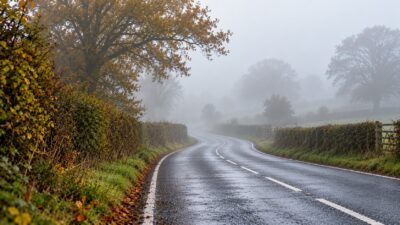
Fog lights should only be used when they’re needed. Visibility of less than 100 metres is considered seriously reduced and is when fog lights should be used, and once visibility improves, remember to switch your fog lights off so you don’t dazzle other road users.
13. Be wary of standing water and flooding
Heavy autumn and winter rain can leave significant surface water on the road. Reduce your speed and, where possible, avoid driving through floodwater. You can’t always tell how deep it is or what’s beneath the surface. A hidden pothole could damage your motorhome and deeper water could cause serious damage to the inside of your vehicle.
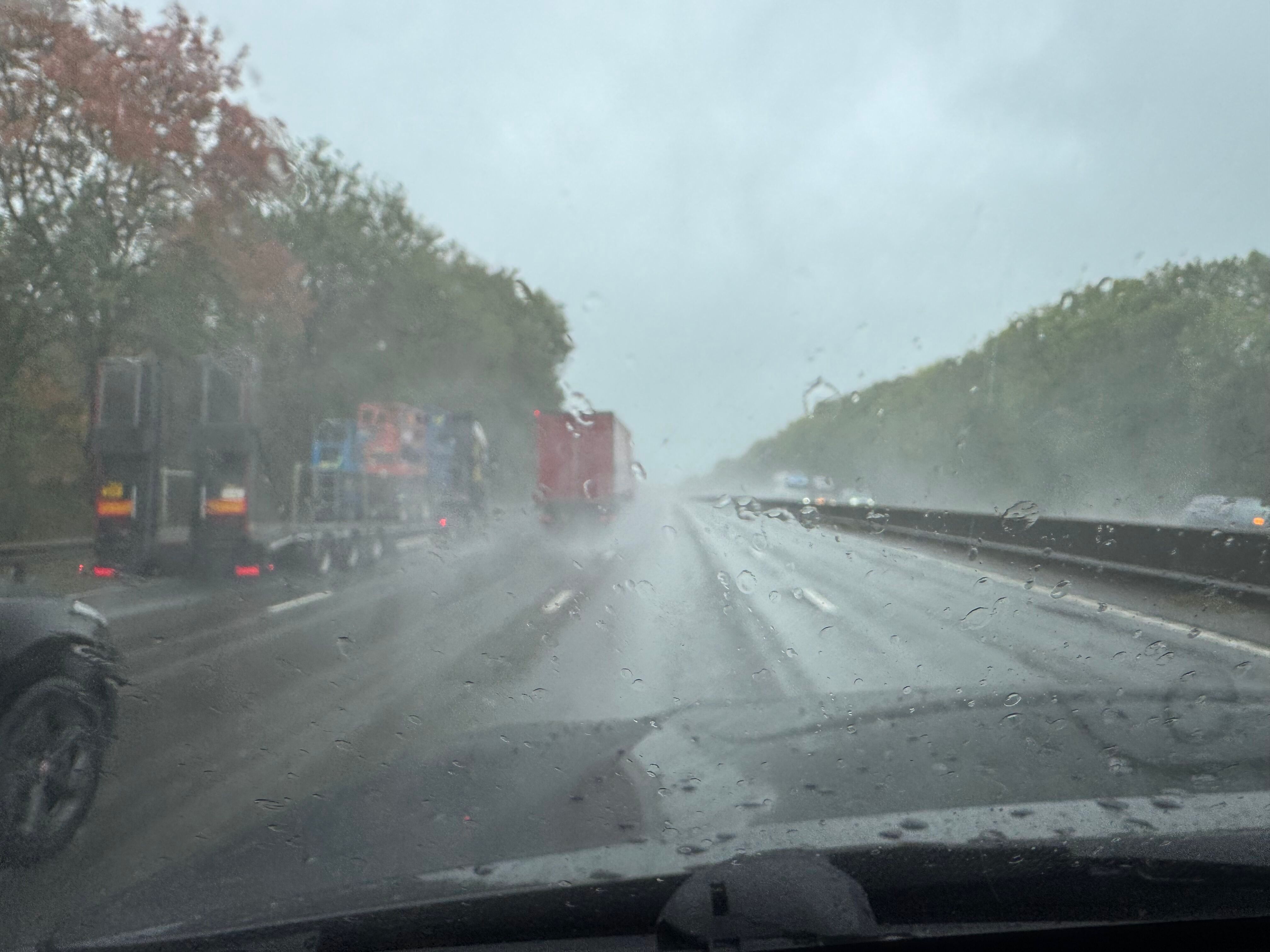
If you’ve driven through lots of surface water, Nigel suggests gently testing your brakes afterwards, when it’s safe to do so, to help make sure they’re working effectively.
14. Know what to do if you encounter ice
Black ice can be extremely difficult to see, so anticipation is key when temperatures fall.
Completely clear ice and frost from your windscreen, cab windows and mirrors before setting off. If your motorhome has a rear-view camera, make sure its lens is clean and free of dirt, cobwebs, frost or ice too.
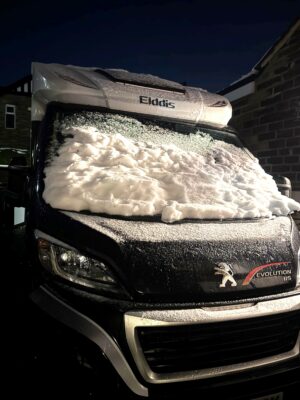
If you do hit an icy patch and feel the vehicle start to slide, don’t panic. Nigel suggests easing off the accelerator rather than suddenly applying the brakes. Avoid fighting with the steering and allow the vehicle to slow progressively until grip returns.
Preparation makes winter touring easier
Autumn and winter can be fantastic times to enjoy your motorhome or campervan, particularly when you’re prepared for the conditions.
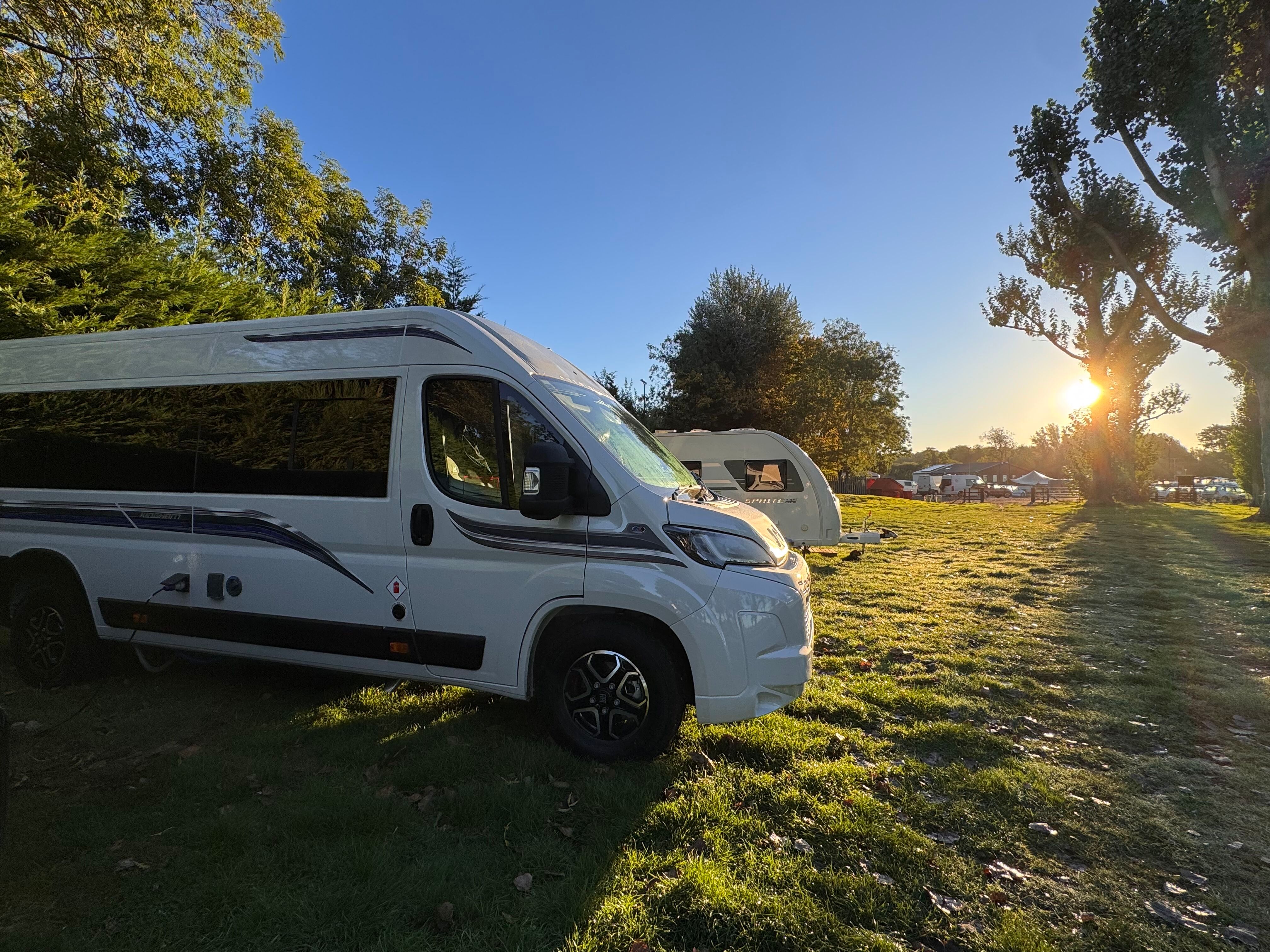
Carry out your vehicle checks, keep on top of the weather forecast, pack appropriate winter travel kit and adjust your driving to suit the road and visibility.
An annual motorhome service and habitation check can also help identify and resolve potential problems before you head off on your colder-weather adventures.
But perhaps Nigel’s most important piece of advice is the simplest: Take your time.
There’s no prize for rushing to your destination. And if conditions are seriously bad, delaying your journey might be the safest decision.
Watch our video for all of Nigel Hutson’s expert tips on driving a motorhome or campervan in autumn and winter.
And before setting off on your next autumn or winter adventure, make sure you have the right motorhome or campervan insurance in place. Caravan Guard provides specialist cover to help protect your motorhome, whether you’re touring throughout the colder months or planning your next getaway. Find out more about our award-winning motorhome insurance here.


 Tourer, trailer tent or folding camper claims
 Motorhome, RV or campervan claims
 Static caravan claims
 Park home claims
Your thoughts and comments