

 01422 396 769
  quote
quoteCaravan insurance might not be a legal requirement, but it plays a vital role in protecting your caravan against theft, fire, storm damage and accidents – whether you’re towing on the road, storing it at home or at a secure storage site, or enjoying time on a campsite.
In this video, we explain caravan insurance step by step, guiding you through taking out a specialist policy, understanding the key terminology, keeping your cover up to date and knowing what to do if you ever need to make a claim.
Here we’ve expanded on the main points to answer some of the most common questions about caravan insurance and help you choose the best caravan insurance for your needs.
Why specialist caravan insurance matters
A caravan isn’t just a trailer – it’s a significant investment and often packed with valuable equipment. Specialist caravan insurance is designed specifically to reflect how caravans are stored, towed and used.
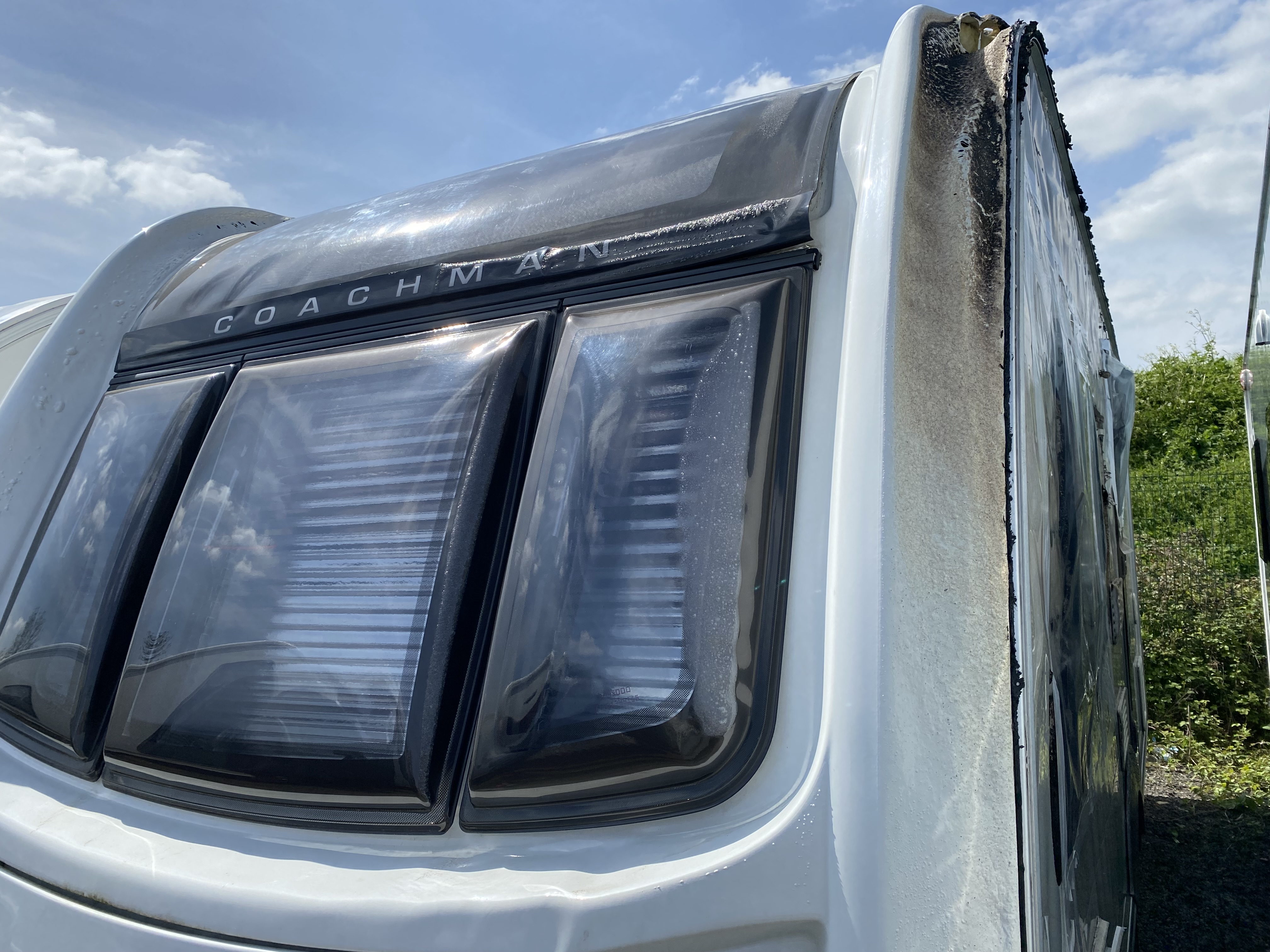
A specialist caravan policy should cover accidental damage, theft and attempted theft, fire and storm damage, equipment, awning damage and accessories
Choosing a specialist provider helps make sure you’re properly covered wherever your caravan is kept or used.
Taking out a caravan insurance policy
When arranging caravan insurance, accurate information is key. Here are the main things insurers will ask for – and why they matter.
Choose a specialist caravan insurer
Always get quotes from specialist caravan insurance providers rather than relying on general insurers. It’s also important to check that your car insurance policy covers you for towing a caravan.
Looking at independent customer review platforms can help you understand how insurers perform when it comes to service and claims.
Know your caravan details
You’ll need to know:
- The make and model of your caravan
- How many berths it has
- Whether it’s single axle or twin axle
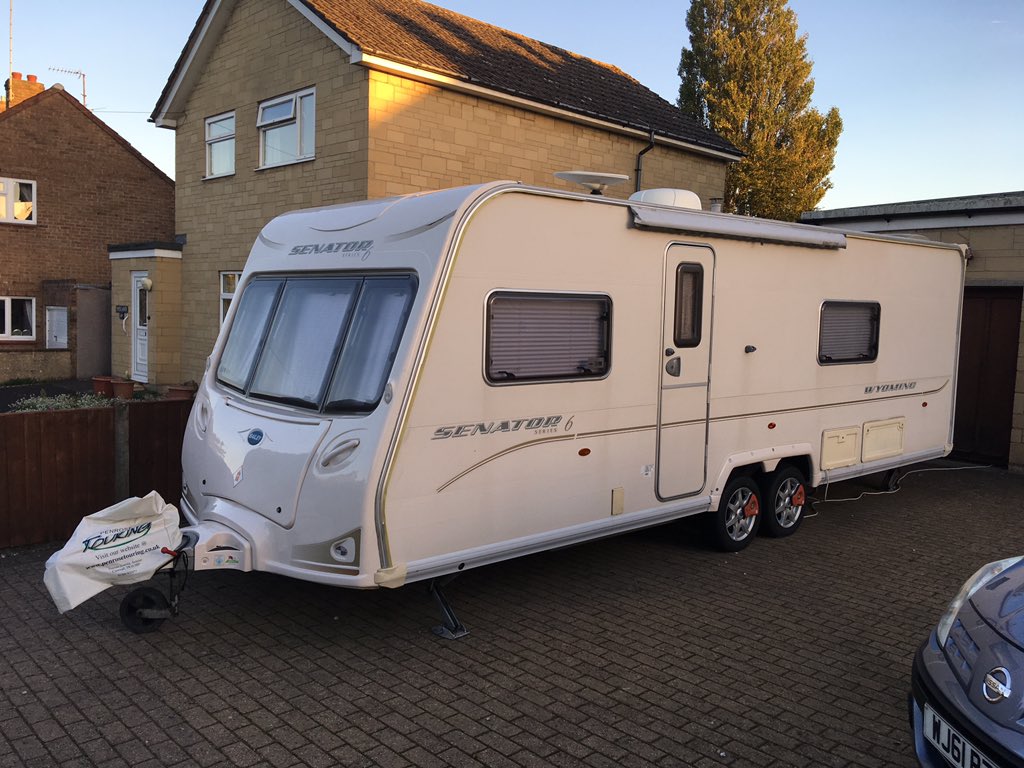
These details help insurers assess risk and make sure the cover is suitable for your caravan.
Insure your caravan for the correct value
Knowing the correct value of your caravan and its equipment helps make sure you’re not paying too much for insurance cover – or worse, leaving yourself underinsured. Equipment values can add up quickly, so it’s important to include everything you regularly use.
Security and storage matter
Security and safety devices can have a big impact on caravan insurance premiums.
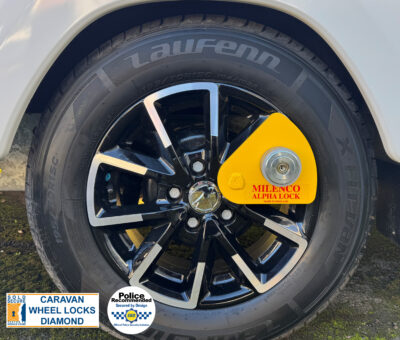
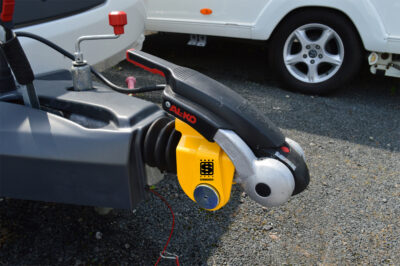
These might include alarms, axle wheel locks, tracking devices, AL-KO ATC or reversing cameras.
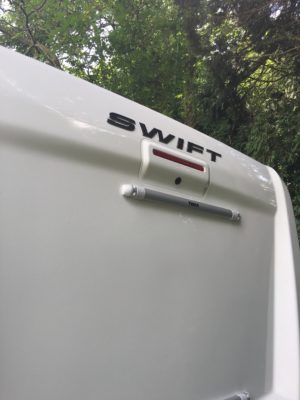
You’ll also need to provide the postcode of where your caravan is stored and details of the security at that location.
Towing experience
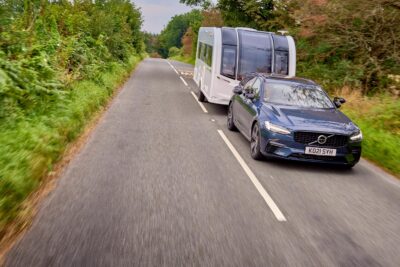
Your towing experience can affect your premium, and you must hold the correct licence entitlement for the caravan you’re towing.
Get the right level of caravan insurance cover
Look for policies that include awning damage as standard. Only add European cover if you’re planning to travel abroad, and remember that you’ll need to supply your caravan’s CRiS number or VIN when putting cover in place.
How can I reduce my caravan insurance premium?
There are several ways to help manage the cost of caravan insurance, including:
- Increasing your excess
- Double-checking your caravan and equipment values
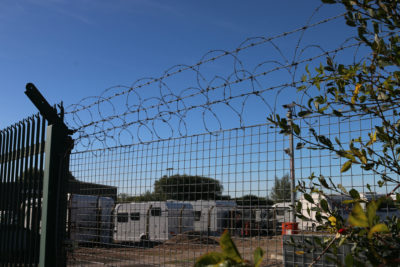
- Choosing a secure storage location
- Making the most of discounts for safety, security and experience
The most important thing is making sure the cover is right for your needs and that all information you provide is accurate. Only include cover you’re actually going to use.
Top tip: Adding extra safety and security devices can make your caravan harder to steal, easier to tow and may reduce your insurance premium – just be sure to use them whenever your caravan is left unattended.
Understanding caravan insurance policy wordings
Insurance terminology can be confusing, so it’s worth taking time to understand what your policy includes.
Equipment and possessions cover
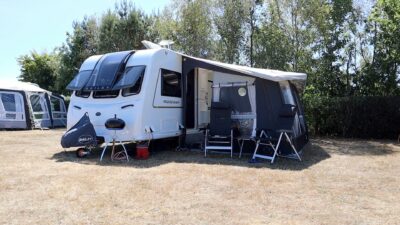
Specialist caravan insurance policies provide cover for the equipment you carry. This can include:
- Motor movers and air conditioning units
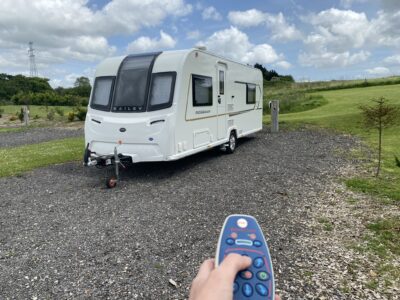
- Awnings and gas bottles
- Wheel locks and hitchlocks
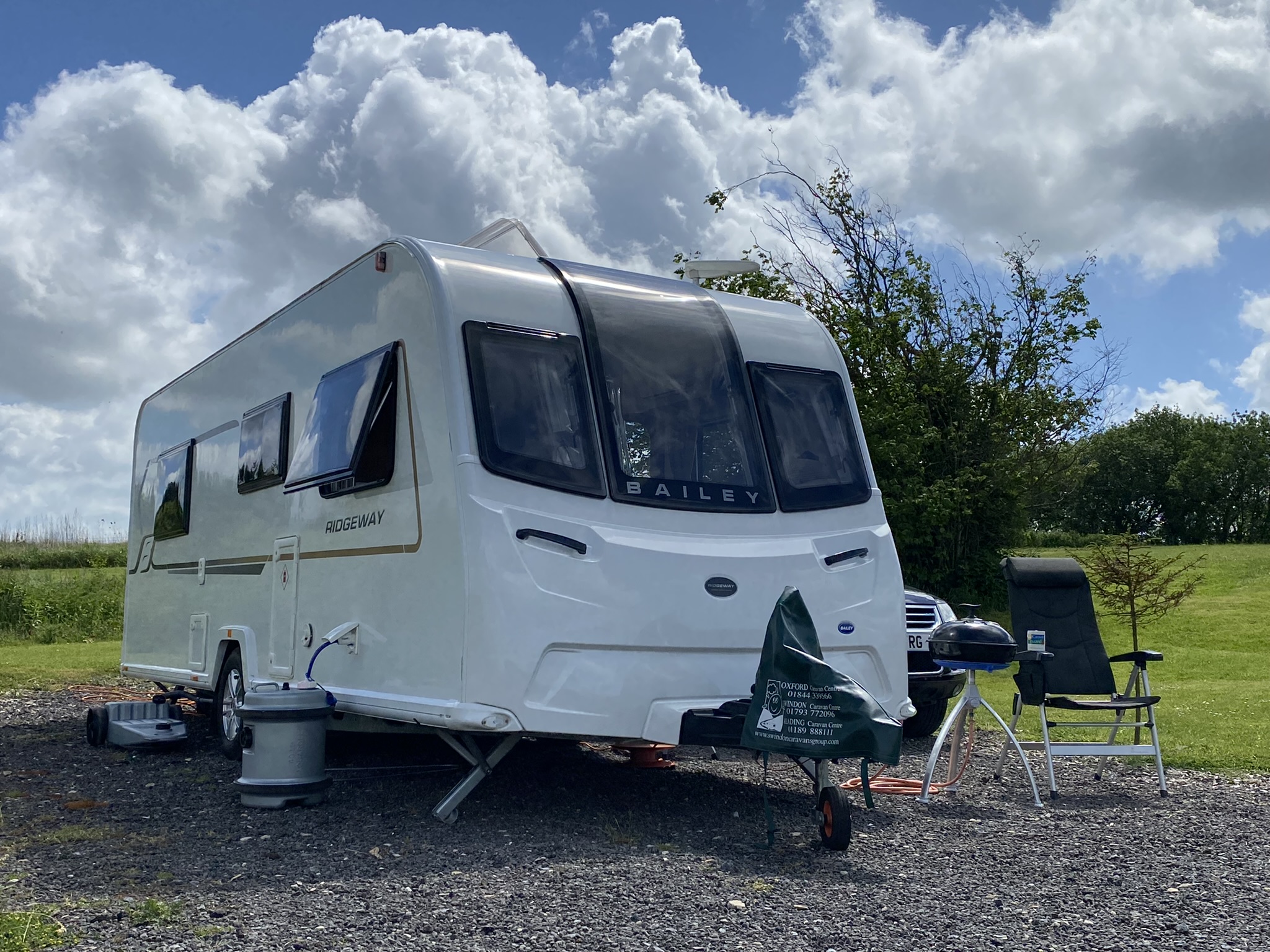
- Outdoor furniture, BBQs and TVs
Personal possessions, such as clothing and bedding, are usually covered separately.
When you add up the cost of items like a motor mover, awning and security devices, it’s easy to reach several thousand pounds.
New for old vs market value cover
Market value cover insures your caravan at its current second-hand value, with a claim settlement based on what it’s worth at the time of the claim.
New for old cover, typically available for caravans under a certain age, insures your caravan and equipment at the cost of replacing them with a brand-new equivalent. This means your sums insured may need reviewing regularly as new caravan prices rise.
Key policy conditions to look out for
Always check policy conditions carefully, including:
- Draining down over winter
- Using declared security devices
- Storage location and security requirements
- What isn’t covered, such as vermin damage
If you store your caravan away from home, some specialist policies allow limited overnight parking at home before and after a trip for loading and unloading, but it’s important to understand the details.
Top tip: Make a full list of your caravan equipment and work out the replacement cost to make sure you’re not underinsured.
When things change: keeping your caravan insurance up to date
Circumstances often change during the year, and it’s important to keep your insurer informed. Let them know if you:
- Buy new equipment or accessories
- Change your storage location
- Move house
- Add extra security at home or to your caravan
Although there’s often a small administration cost for mid-term changes, keeping everything accurate can make a big difference if you ever need to claim. At renewal, review your sums insured carefully.
Common caravan insurance claims – and how to avoid them
The most common caravan insurance claims are for accidental damage and storm damage. Accidental damage often happens during manoeuvring, with bumps and scrapes in storage areas, on driveways, or on campsites. Awnings are particularly susceptible to storm damage.
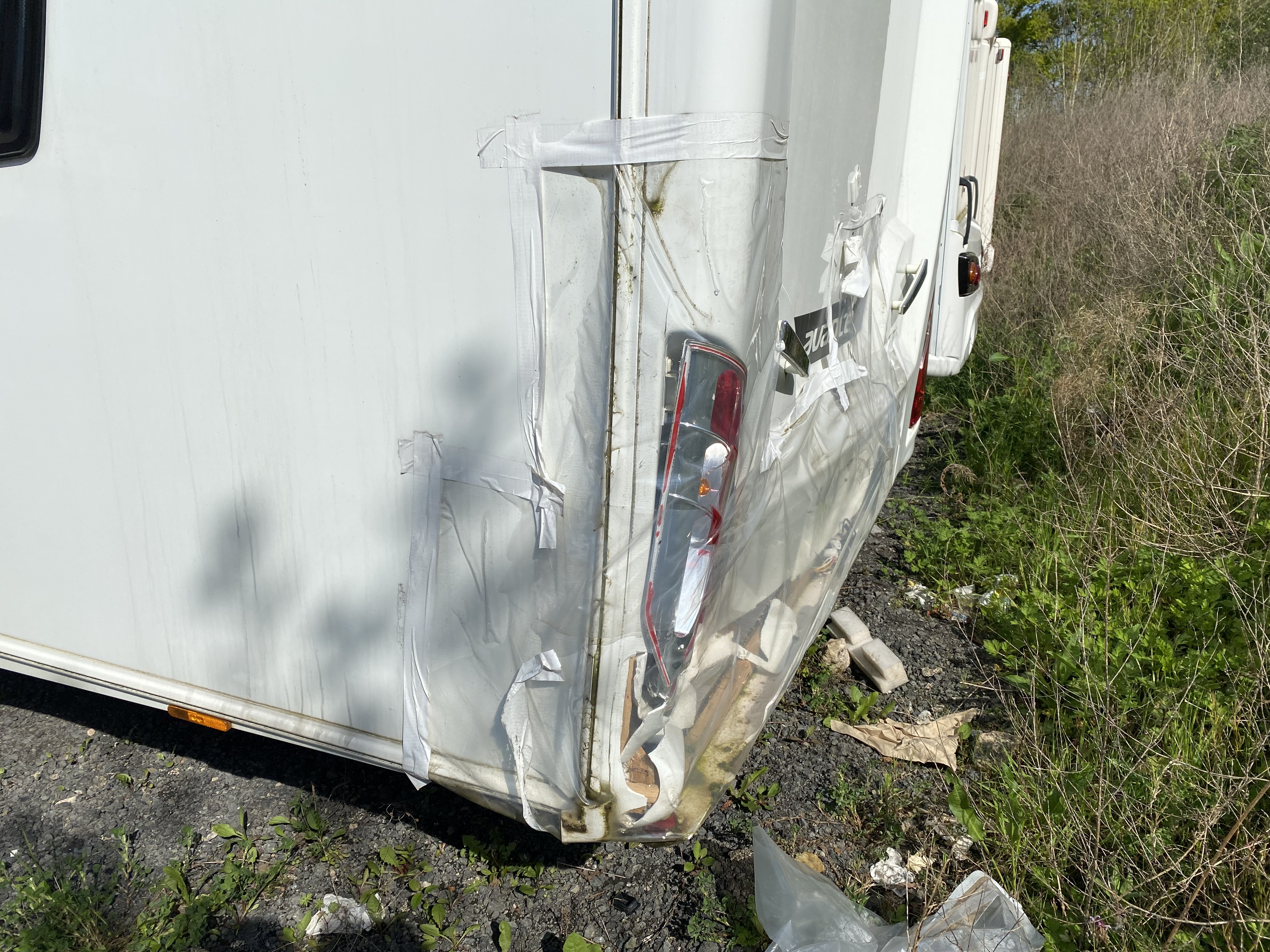
To reduce risk:
- Take extra care when reversing or manoeuvring your caravan
- Check your surroundings before parking or pitching
- Make sure your caravan is correctly hitched every time
- Use reversing aids or a spotter where possible
- Take awnings down if stormy weather is forecast
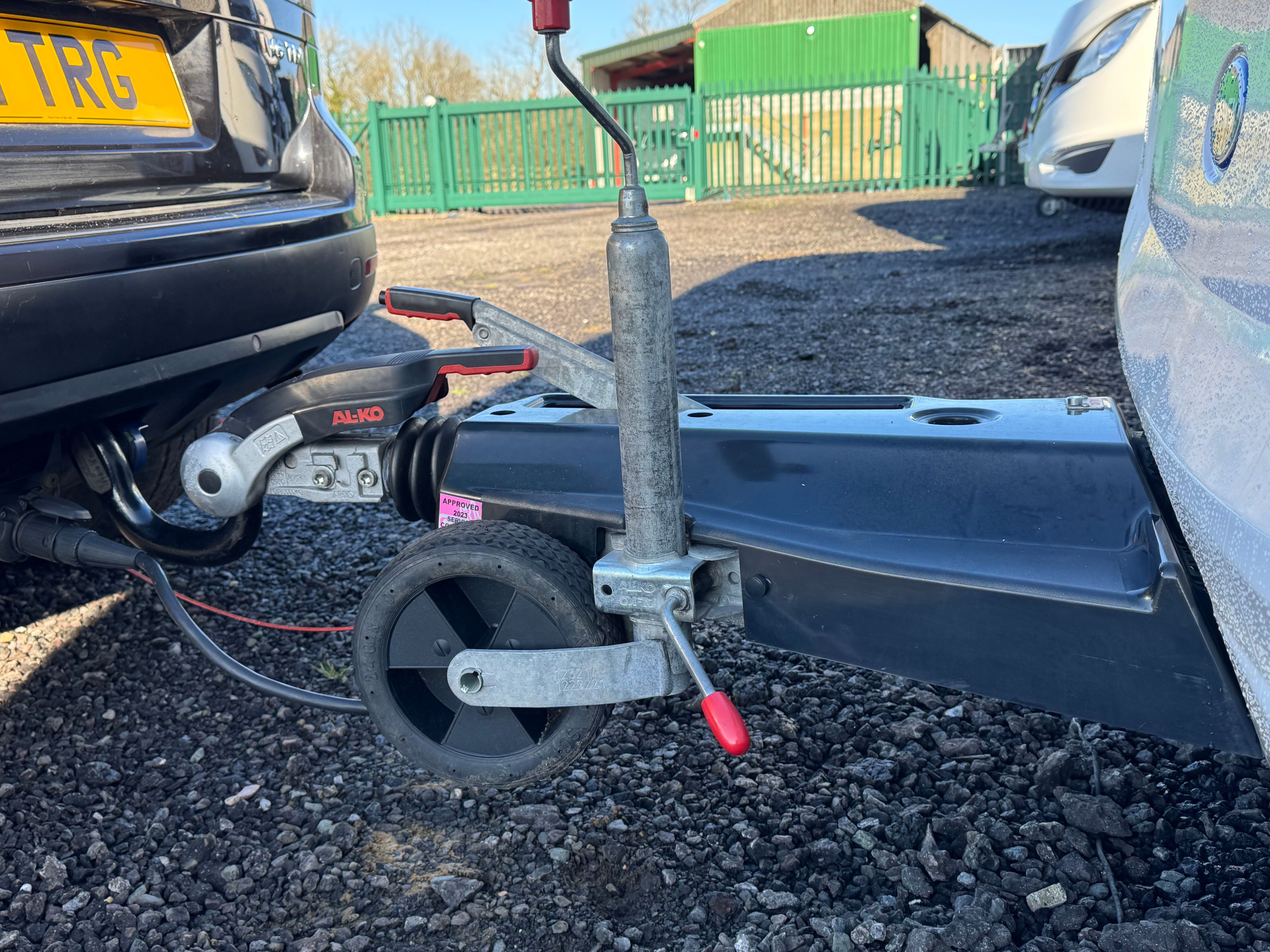
Top tip: Always check your caravan is securely hitched using the jockey wheel wind-down test before setting off.
Making a caravan insurance claim
If you do need to make a claim:
- Make sure everyone is safe
- Carry out temporary repairs to prevent further damage if it’s safe to do so
- Take photos of the damage
- Report the claim as soon as possible with full details
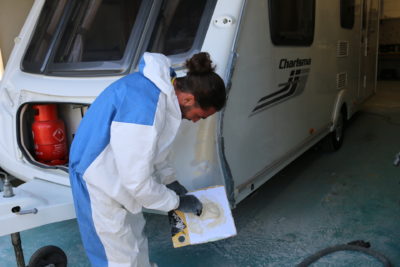
You might be asked for photos, repair estimates or details of your preferred repairer. In some cases, an engineer or loss adjuster will assess the damage before the claim is settled.
Top tip: Keep photos and receipts for your caravan equipment at home so you can provide accurate information in the event of a total loss claim.
Caravan insurance explained
We hope this guide and the video have helped explain caravan insurance, answered common questions, and highlighted what to look for when choosing the best caravan insurance for you.
To find out more about Caravan Guard’s highly rated, award-winning specialist caravan insurance, click here: www.caravanguard.co.uk



 Tourer, trailer tent or folding camper claims
 Motorhome, RV or campervan claims
 Static caravan claims
 Park home claims
Apologies! I meant to quote pin 12, not 13!
I’ve taken great care when it comes to the safety aspect when towing, and committed a fair few quid to improvements with my little 1999 Elddis Mistral GTX (2-berth). Yes, she’s elderly, but with one private PO she’s in amazing order, especially internally.
I had already installed a reversing camera to my Grand Espace IV, and the little, incredibly cheap 4” display mounted to the right of the rearview mirror has a second AV input, so it was a no-brainer to install a rearview camera on the ‘van as well.
AV2 on the display has priority, so when the ‘van is plugged into the car the image is immediately and permanently shown. I used a bit of creativity and wired the camera supply to the vacant pin 13 in the vehicle hookup; the video is transferred from the ‘van-cam to the car via a small wifi connection kit from eBay, and the transmitter is mounted at the very front, just under the left front window. The receiver is mounted inside the car’s tailgate at a similar level, so interference and image breakup/lockup is minimised. Luckily, the front ‘apron’ on the Mistral is glassfribre, and the Renault’s tailgate is a composite fabrication.
I’ve also utilised pin 13 to trigger a relay inside the car, which interrupts the car’s rear fog lighting when hooked up. The [excellent quality] Febi socket does have the mechanical switch for this, but the wiring arrangement needed for the two, separately-fed rear fog lights — the wiring to each comes from the front of the car and along two separate harnesses! — was going to prove to be “a right faff”, so a 2-pole relay provided a more elegant solution to achieve the result.
So that takes care of travelling and reversing when hooked up, and when the ‘van isn’t plugged into the car, the car’s reversing camera operates normally (when reverse gear is selected), so I can back up to the hitch with accuracy and with no assistant present.
The AL-KO Lightweight chassis employed by Elddis for the old girl was already fitted with an AL-KO ‘AKS’ hitch, so it made sense to augment travelling safety with an AL-KO ATC (Automatic Trailer Control), which I obtained — thank you, eBay — and installed myself. AL-KO thoughtfully uploaded a tutorial vid to YouTube, which is invaluable!
Towing safely requires awareness and control (I was a trucker for a while, back in the 80s), so the foregoing upgrades were an absolute must; that just left the tyre monitoring which, being a single axle chassis, is even more vital. Enter TyrePal! I bought a TC215 kit from PRIMA Leisure. It took a few attempts to code-in the sensors (they just replace the valve caps), as the instructions to do so are a little sketchy, but after re-re-re-reading(), it all worked out. The TyrePal constantly flipflops between left and right wheels, a few seconds at a time, and also displays the tyres’ temperatures, so is an absolute boon to safety on-tour.
I hope my wittering on about these modifications can be of help to others. Safe towing, fellow wobble-boxers!
Thanks for sharing Steve. Happy and safe caravanning! Liz